


Best Pizza Spots in Gulfport, MS

If you’re craving a slice of something delicious along the Mississippi Gulf Coast, Gulfport has no shortage of standout pizza spots. From authentic brick oven pies to casual New York–style slices, this coastal city delivers plenty of options for every kind of pizza lover. Whether you’re dining in after a beach day or grabbing takeout for a relaxing night at home, these local favorites are worth checking out.
Tony’s Brick Oven Pizzeria
Located in downtown Gulfport, Tony’s Brick Oven Pizzeria is one of the most popular pizza spots in the area—and for good reason. Known for its authentic brick oven cooking, this restaurant delivers a perfectly crisp crust and rich, flavorful toppings. Guests love everything from classic Margherita pizzas to creative options like gumbo-inspired pies that bring a Gulf Coast twist to Italian tradition. The warm, inviting atmosphere makes it a great place for a casual night out or a family dinner. With consistently high ratings and praise for both food and service, Tony’s is often considered one of the best pizza destinations in Gulfport.
C.A. Sarducci’s Pizzeria
Tucked away in Gulfport’s Fishbone Alley, C.A. Sarducci’s Pizzeria is a local gem known for its laid-back vibe and incredible flavors. This spot is especially famous for its garlic knots, calzones, and generously topped pizzas. It’s a go-to for locals who want something quick, affordable, and consistently delicious. Sarducci’s has earned top ratings among Gulfport pizza restaurants, thanks to its quality ingredients and friendly service.
Brooklyn Pizzeria
If you’re looking for a true New York–style slice in Gulfport, Brooklyn Pizzeria is the place to be. Known for its thin crust, foldable slices, and classic toppings, this casual spot delivers that authentic East Coast feel. Customers frequently rave about the garlic knots and fresh ingredients, making it a favorite for both locals and visitors. It’s an excellent option for a quick lunch or an easy dinner after exploring the coast.
Sicily’s Italian Buffet
For those who want variety, Sicily’s Italian Buffet offers an all-you-can-eat experience that includes a wide selection of pizzas, pastas, and even dessert pizzas. This family-friendly restaurant is perfect for groups with different tastes, as everyone can find something they enjoy. It’s also a great value, making it a popular choice for casual dining in Gulfport.
Sea Grapes Wine Café
For a slightly more upscale pizza experience, Sea Grapes Wine Café offers artisan-style pizzas paired with an impressive wine selection. This cozy spot blends great food with a relaxed, coastal atmosphere, making it ideal for date nights or evenings with friends. Their pizzas are known for fresh ingredients and unique flavor combinations, elevating the traditional pizza night into something special.
Dockside Deli
Located near the water, Dockside Deli offers a casual setting where you can enjoy pizza alongside scenic Gulf views. While it’s known for a variety of American fare, its pizza is a standout for those looking for something simple and satisfying. It’s a great stop if you’re exploring the coastline or visiting nearby attractions.
Mangiamo Italian Restaurant
Mangiamo brings a more traditional Italian dining experience to Gulfport, with a menu that includes pizza alongside classic pasta dishes. Known for its commitment to quality and welcoming atmosphere, it’s a great option for those who want a full sit-down meal with authentic flavors.
Conclusion: Find Your Favorite Slice in Gulfport
Gulfport, MS is home to a diverse mix of pizza spots, each offering something unique—from authentic brick oven creations to casual slice shops and buffet-style dining. Whether you’re a fan of classic pepperoni, gourmet toppings, or all-you-can-eat options, there’s no shortage of great places to explore.
After you’ve found your favorite pizza spot, why not upgrade your drive around town? Visit Turan-Foley Cadillac to explore a wide selection of luxury vehicles that make every trip—whether it’s a quick pizza run or a scenic Gulf Coast drive—more enjoyable. Stop by today and experience the difference for yourself.
What is Cadillac Night Vision?
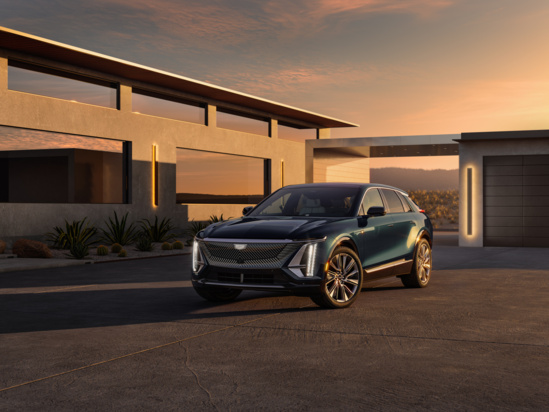
Driving at night brings challenges that standard headlights simply can’t solve. Cadillac Night Vision changes the game by revealing what’s ahead before your headlights even reach it. This thermal imaging technology picks up heat signatures from pedestrians, animals, and vehicles up to 330 feet in front of your Cadillac, buying you crucial extra seconds to react.
The system works through an infrared camera tucked into your vehicle’s lower grille that captures thermal data, then shows that information on your Driver Information Centre. Your headlights only reveal what they illuminate, but Night Vision spots warm objects no matter what the lighting conditions look like. When you explore our Cadillac inventory at Turan-Foley Cadillac, we’ll demonstrate exactly how this feature operates in equipped models.
This doesn’t replace careful driving. It’s an enhancement that stretches your awareness beyond what your eyes and headlights can provide alone. For drivers tackling Mississippi’s extended winter nights, rural roads between Gulfport and Hattiesburg, or heading home after dark on dimly lit coastal highways, this technology delivers real safety benefits.
How Cadillac Night Vision Works
Cadillac Night Vision relies on thermal imaging instead of traditional light-based vision. Your vehicle’s infrared camera spots temperature differences between objects and their surroundings. A pedestrian walking beside the road shows up warmer than the pavement. A deer standing in tall grass appears clearly despite being invisible to standard headlights.
This infrared sensor constantly scans ahead, processing thermal data instantly. The system sorts through various heat signatures, focusing on those that might represent hazards. When it spots something important, it highlights that object on your display and might sound an alert depending on the circumstances.
The technology runs independently from your headlights, working well in conditions where traditional lighting fails. Fog, darkness, and tunnel transitions don’t affect the infrared camera’s ability to detect heat signatures.
The Infrared Camera System Explained
The infrared camera is integrated into your Cadillac’s front grille, positioned for a clear view of the road ahead. It detects infrared radiation (basically heat) that all warm objects naturally emit. Living things generate significant heat compared to their surroundings, making them pop out clearly in thermal imaging. The system can spot a pedestrian in dark clothing on an unlit road long before your headlights would catch them.
The camera’s detection reaches up to 330 feet ahead of your vehicle, providing much more warning time than standard headlights. But the system has one key limitation: it can’t function well when outside temperatures climb above roughly 86°F. During Mississippi summers, this temperature threshold becomes relevant. When it’s extremely hot, the heat difference between objects and their environment shrinks, reducing how well the system works.
How Information Displays to the Driver
Information from the infrared camera shows up on your Driver Information Centre, blending smoothly with your other vehicle data. The display presents a black-and-white thermal image of the road ahead, with warmer objects appearing lighter than cooler backgrounds.
The system uses three alert levels to communicate threat severity:
| Alert Level | Color | Meaning |
| Initial Detection | Yellow box | Object detected more than ~30 feet ahead |
| Approaching | Orange box | Getting closer to detected object |
| Collision Risk | Red box | Approaching too rapidly; triggers “Collision Alert” notification with 8 beeps or 5 Safety Alert Seat pulses(depending on your alert settings) |
This stepped warning system prevents alert fatigue while making sure you get proper notice when threats get serious. The visual and sound feedback work together to grab your attention without an unnecessary startling.
Real-World Benefits of Cadillac Night Vision
Night Vision’s practical advantages become obvious once you use the system during actual nighttime driving. The technology shines in scenarios where standard headlights come up short: poorly lit rural highways, wildlife crossing coastal routes, and unexpected pedestrians.
One major benefit is faster reaction time to hazards. Spotting something 330 feet ahead gives you more time to size up the situation and respond properly. You might slow down gradually instead of hitting the brakes hard, or change lanes well ahead instead of swerving at the last second.
The system also cuts down on the uncertainty that nighttime driving often brings. When you’re traveling an unfamiliar route after dark, Night Vision stretches your awareness into that unknown space, providing confidence that you’ll spot hazards before they become critical.
Detecting Pedestrians and Animals Before You See Them
Wildlife encounters represent one of the most common nighttime driving risks in our area. Deer, raccoons, and other animals regularly cross coastal highways, often showing up suddenly in your headlight beam. Night Vision spots these animals well before they enter your headlight range, giving you time to slow down or stop safely.
Pedestrian detection matters just as much, especially in areas with limited sidewalks or street lighting. Someone walking along the road in dark clothing might be nearly invisible to your headlights until you’re dangerously close. The infrared camera identifies that person’s heat signature from much farther away, alerting you to their presence early enough to adjust your path or speed.
Enhanced Awareness in Low-Visibility Conditions
Fog drastically cuts headlight effectiveness by creating a wall of reflected light that actually hurts your vision. Thermal imaging cuts through fog better because it doesn’t depend on visible light. The infrared camera detects heat signatures through the haze, keeping awareness when traditional lighting fails.
Our humid coastal environment creates fog conditions regularly, and summer evening storms bring additional visibility challenges with heavy rain. Night Vision delivers consistent performance across these different conditions, adapting to environmental factors that would overwhelm standard headlights.
When Cadillac Night Vision Makes the Biggest Difference
Night Vision provides maximum value during specific driving scenarios. Rural roads with minimal street lighting create conditions where the technology excels. Longer winter nights stretch the time you spend driving in darkness, making Night Vision a daily tool rather than an occasional convenience.
Unfamiliar routes amplify nighttime driving stress because you don’t know what’s coming. Night Vision compensates by stretching your awareness into unknown territory, giving you advance warning of whatever lies ahead. The technology also proves especially valuable when fatigue reduces your reaction time, extending your effective awareness when your natural alertness might be compromised.
Using Your Cadillac Night Vision System
Operating your Night Vision system involves straightforward controls built into your vehicle’s existing interface.
Activating and Viewing the Display
Night Vision typically activates through your Driver Information Centre controls or via dedicated buttons near your steering wheel. Once you turn it on, the thermal image appears on your instrument cluster display.
The display stays unobtrusive until the system spots something noteworthy. Objects appear with different brightness based on their heat signatures. When the system identifies a potential hazard, colored warning boxes (yellow, orange, or red) appear around that object. You don’t need to watch the Night Vision display constantly. The stepped alert system escalates from quiet visual indicators to active warnings as threats become more immediate.
Simple Maintenance for Optimal Performance
The infrared camera needs periodic cleaning to maintain clear imaging capability. Your Cadillac includes an automatic wash system that kicks in when the camera detects dirt buildup. The system also runs automatically after every five uses of your windshield washer.
For manual cleaning, use a soft cloth and glass cleaner, just like you would for your windshield. If you notice reduced performance or get a “Night Vision Temporarily Unavailable” message, the camera probably needs cleaning.
Gulf Coast humidity makes keeping the infrared camera clean especially important. Our service team can inspect and clean the Night Vision camera during your regular service appointments.
Night Vision vs. Standard Headlights
Comparing Night Vision to standard headlights shows why this technology represents a real safety step forward:
| Feature | Standard Headlights | Cadillac Night Vision |
| Detection range | Limited to headlight beam distance | Up to 330 feet ahead |
| Detection method | Visible light reflection | Infrared heat signatures |
| Object visibility | Depends on lighting conditions | Detects warm objects regardless of ambient light |
| Pedestrian/animal detection | Visible only when illuminated | Detected before entering headlight range |
| Fog and tunnel effectiveness | Reduced visibility | Enhanced visibility through thermal imaging |
| Alert system | None | Yellow, orange, and red box warnings with audible/haptic alerts |
Your headlights illuminate the road, making visible objects you can see with your eyes. Night Vision detects heat signatures beyond your headlight range, revealing objects before they become visible through traditional lighting. The technologies work together.
Standard headlights operate through reflected light, requiring objects to be within the beam pattern and reflective enough to stand out. Night Vision detects thermal radiation that objects emit naturally, working independently of reflection or ambient lighting.
Experience Cadillac Safety Technology at Turan-Foley Cadillac
We invite you to experience how Night Vision boosts nighttime driving confidence firsthand. At Turan-Foley Cadillac, we’ve been serving the Mississippi Gulf Coast for over 50 years as a family-owned dealership. Our team understands the unique driving conditions you face in our region.
Schedule a demonstration drive during evening hours to see Night Vision in action. We’ll show you how the system detects pedestrians and animals well before standard headlights would reveal them, and you’ll experience the thermal imaging display and stepped alert system.
Our Cadillac inventory includes models equipped with Night Vision and other advanced safety technologies. Whether you’re interested in the electric LYRIQ or our full range of luxury sedans and SUVs, we can help you find a vehicle that fits your needs.We’re located at 11123 Highway 49 North in Gulfport. Contact our team at 228-284-2613 to schedule your Night Vision demonstration or learn more about Cadillac’s complete suite of safety technologies.
Which Cadillacs Have 3rd Row Seating?
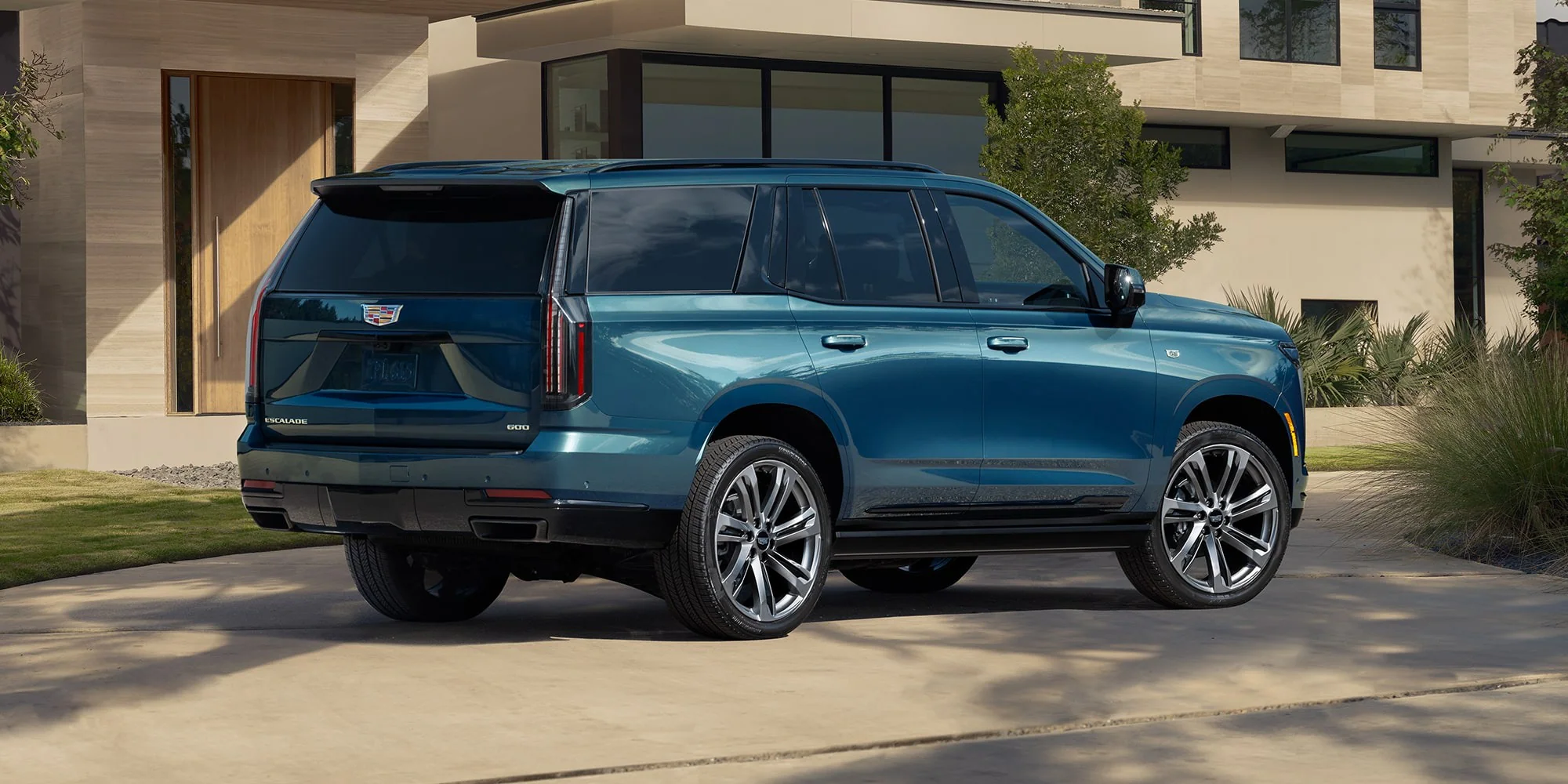
Looking for a three-row Cadillac that fits your family’s needs? You’ve got four solid options. Cadillac currently builds the legendary Escalade, the versatile XT6, the all-electric VISTIQ, and the upcoming Escalade IQ, all with third-row seating. Each one tackles different family situations, from busy parents juggling daily carpools to extended families planning big road trips.
At Turan-Foley Cadillac, our family-owned dealership in Gulfport has helped Mississippi Gulf Coast families find their perfect three-row SUV for over 50 years. Whether you’re shuttling kids around town or loading up for Gulf Coast adventures with the whole crew, knowing which Cadillac SUV with third-row seating actually works for your life makes the choice much easier. You can browse our new Cadillac inventory or contact our team to schedule a test drive and see how these vehicles really feel.
Cadillac Escalade: Maximum Space for Large Families
The Cadillac Escalade still rules when families ask “how many seats does a Cadillac Escalade have?” Eight passengers, making it Cadillac’s biggest three-row option. This full-size luxury SUV brings serious presence and unmatched capability, especially in the extended ESV variant that stretches everything even further.
Cargo space is genuinely impressive for families who haul a lot. Behind the second row, you get 72.9 cubic feet in the standard model. The ESV bumps that up to 94.1 cubic feet. Perfect for beach trips along the Mississippi Gulf Coast or hauling gear for weekend tournaments. Need to tow boats or trailers? The Escalade handles up to 8,100 pounds in standard wheelbase and 8,000 pounds in the ESV.
Available features push the Escalade third-row experience well beyond typical luxury. The Rear Seat Entertainment system includes dual 12.6-inch displays that keep passengers happy on long drives. Executive second-row massaging chairs turn your vehicle into a mobile spa. Air Ride suspension smooths out rough roads, while Night Vision technology helps during evening travel.
Passenger Comfort and Third-Row Livability
Here’s what matters: the Escalade third row actually fits adults, not just kids. With 34.9 inches of legroom in the standard model and 36.7 inches in the ESV, even tall passengers can sit comfortably for hours. This third-row livability is where the Escalade beats competitors whose back rows feel like punishment seats.
Leather upholstery, multiple USB ports, and dedicated climate vents mean everyone gets first-class treatment no matter where they sit. The power-folding third row makes switching between people and cargo quick when you need maximum storage space.
Ideal For: Road Trips and Multi-Generational Travel
The Escalade shines when you’re traveling with grandparents, multiple kids, or friends who actually want to enjoy the journey. Its tall stance gives excellent visibility, while advanced safety tech protects everyone aboard. The mix of luxury, space, and capability makes the Escalade the obvious choice for families who won’t settle for anything less.
Cadillac XT6: Everyday Versatility for Active Families
The XT6 is Cadillac’s midsize SUV answer, seating up to seven passengers. This three-row SUV balances manageable size for city driving with the space families actually need. Its smaller footprint compared to the Escalade makes parking easier while keeping real third-row functionality.
The XT6 handles more like a car, which families appreciate during daily routines. Leather seats provide comfort in all three rows, and the available tech package includes features that keep families connected and entertained. This midsize SUV sits right between compact luxury crossovers that skip third rows and full-size models that feel too big for everyday use.
We often recommend the XT6 to families moving up from sedans or smaller SUVs who need occasional third-row seating without committing to a massive vehicle. The maneuverability really helps in shopping centers, school pickup lines, and tight parking around Gulfport.
Third-Row Access and Cargo Flexibility
The XT6 third row features smart access points that make getting in and out straightforward. Power-folding seats allow quick switches between passenger and cargo setups, crucial when your needs change constantly. One morning you’re running a full carpool, the next you’re hauling weekend gear.
The third row gives enough space for kids and teens comfortably, while adults can handle shorter trips without major complaints. This flexibility works great for active families who sometimes need seven seats but don’t want to drive a full-size SUV every day.
Ideal For: Daily Driving and Weekend Adventures
Urban and suburban families find the XT6 hits the sweet spot. It handles school runs, grocery trips, and commutes easily while scaling up for weekend getaways. The balance of size, efficiency, and capability makes it our most versatile three-row option for families wanting luxury without the bulk.
Cadillac VISTIQ: Electric Comfort for Modern Families
The 2026 Cadillac VISTIQ brings all-electric three-row luxury that changes how families think about transportation. This electric SUV seats up to seven passengers and delivers roughly 300 miles per charge, eliminating range worries for daily use and weekend trips. The VISTIQ pumps out 615 horsepower, proving family vehicles can still be exciting.
The VISTIQ offers second-row flexibility with standard bench seating or optional captain’s chairs. This seven-passenger electric model makes sure third-row passengers get real comfort with dedicated air vents, cupholders, and USB-C ports. Five-zone climate control lets everyone set their own temperature no matter where they sit.
Massaging front seats provide relaxation during commutes, while the available Super Cruise hands-free driving tech reduces driver fatigue on longer trips. The electric Air Ride Adaptive Suspension delivers the smooth, quiet ride that electric powertrains naturally provide, enhanced by smart suspension management. Families checking out used Cadillac SUVs should also consider future availability of pre-owned VISTIQ models as the market develops.
Family-Focused Interior and Ride Quality
The VISTIQ interior focuses on family needs with thoughtful storage solutions, easy-to-clean surfaces, and technology that simplifies daily routines. The lack of engine noise creates a peaceful cabin where conversations flow naturally and entertainment systems sound crystal clear.
The electric powertrain’s instant torque makes merging and passing confident, while regenerative braking reduces brake wear and extends range. These practical benefits pair with the environmental advantages of electric driving.
Ideal For: Eco-Conscious Families Who Need Space
Families committed to reducing their environmental impact without giving up space or luxury find the VISTIQ compelling. The combination of zero-emission driving, advanced technology, and genuine three-row capability addresses modern family priorities. Home charging convenience eliminates most gas station visits, while public charging infrastructure keeps expanding across the Gulf Coast region.
Cadillac Escalade IQ: All-Electric Full-Size Family Luxury
The Cadillac Escalade IQ brings full-size electric luxury to families wanting maximum space with zero emissions. This all-electric flagship seats up to seven passengers and delivers the commanding presence and interior volume that define the Escalade nameplate. The spacious electric luxury interior keeps everything families love about the traditional Escalade while embracing electric power.
Behind the third row, the Escalade IQ provides 23.7 cubic feet of cargo space. With rear rows folded, that expands dramatically to 119.2 cubic feet, so you never have to choose between passengers and gear. The electric powertrain delivers smooth, powerful acceleration that makes this full-size SUV feel surprisingly nimble.
Advanced technology throughout the cabin keeps families connected, entertained, and comfortable. The Escalade IQ represents Cadillac’s vision for luxury family transportation’s future, combining zero-emission driving with uncompromising space and refinement.
Comparing Cadillac Three-Row SUVs Side-by-Side
Understanding how these models differ helps identify which comparison reveals your best match. Here’s the breakdown:
| Model | Passenger Capacity | Key Comfort Features | Ride Quality/Handling | Ideal Use Cases |
| Escalade | Up to 8 | Executive second-row massaging chairs, Rear Seat Entertainment, Night Vision | Full-size luxury with Air Ride option | Road trips, multi-generational travel, towing |
| XT6 | Up to 7 | Leather seats, power-folding third row | Midsize maneuverability for urban use | Daily driving, weekend adventures |
| VISTIQ | Up to 7 | Massaging front seats, third-row vents/USB, five-zone climate | Electric Air Ride Adaptive Suspension | Eco-conscious family space, smooth rides |
| Escalade IQ | Up to 7 | Spacious electric luxury interior | Full-size electric smoothness | All-electric large family luxury |
When evaluating models by size, think about your typical passenger count. If you regularly transport eight people, the traditional Escalade is your only option. Families needing seven seats can choose based on priorities: maximum space (Escalade IQ), electric efficiency (VISTIQ), or daily maneuverability (XT6).
Third-row livability varies significantly. The Escalade and Escalade IQ provide the most adult-friendly third rows, while the XT6 and VISTIQ work best when the third row primarily serves kids and teenagers. Towing capability matters to some families. Only the traditional Escalade offers substantial towing capacity, handling boats, campers, or trailers up to 8,100 pounds.
Electric versus gas powertrain choice goes beyond environmental considerations. Electric models eliminate fuel stops and deliver instant torque, while traditional powertrains offer proven range and refueling convenience. We encourage families to get pre-approved for financing before shopping, as this streamlines the decision process regardless of which model you choose.
Find Your Perfect Cadillac Three-Row SUV at Turan-Foley Cadillac
Finding the right Cadillac SUV for your family means experiencing these vehicles personally. At our Gulfport dealership, we provide pressure-free test drives that let you evaluate third-row access, cargo flexibility, and daily usability. Our team understands Gulf Coast family needs because we’ve served this community for over 50 years as a family-owned business.
We maintain inventory across all three-row models, so you can compare options side by side. Whether you’re interested in certified pre-owned Cadillac vehicles or the latest models, we help families find vehicles that fit their budgets and lifestyles. Our certified Cadillac Master Technicians keep your SUV running perfectly with factory-backed service, and our commitment extends beyond the sale through our service department.Visit us at 11123 Hwy 49 N to explore which three-row Cadillac transforms your family’s daily routine and adventure capabilities. Contact our team at 228-284-2613 to schedule your test drive, or explore our inventory online to see what’s available today. We look forward to helping your family discover the perfect Cadillac with third-row seating.
How to Reset Cadillac CUE
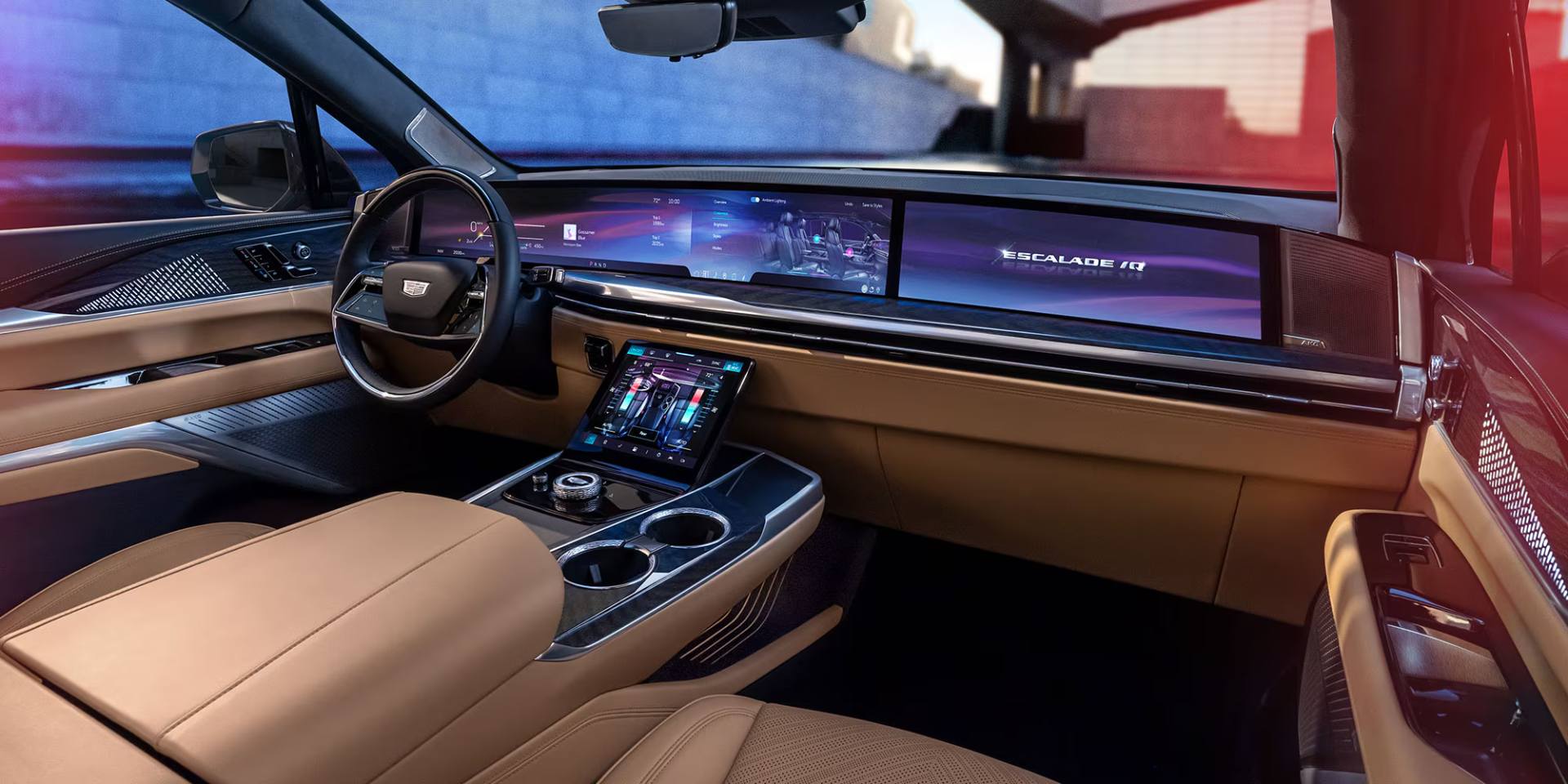
Your Cadillac’s touchscreen just froze mid-navigation. The climate controls won’t respond. Your backup camera refuses to display. These frustrating moments happen to even the most advanced infotainment systems, and knowing how to reset Cadillac CUE can save you time and stress. If problems persist after trying these methods, our Gulfport service team at Turan-Foley Cadillac can provide professional diagnostics and repairs.
The Cadillac User Experience (CUE) system delivers a sophisticated blend of entertainment, navigation, and vehicle controls through an elegant interface. This guide walks you through three reset methods, from the simplest fix to the most comprehensive, helping you restore your Cadillac infotainment system to proper working order.
Understanding Cadillac CUE and Common Issues
The Cadillac CUE system acts as your vehicle’s digital command center, handling everything from turn-by-turn navigation and smartphone connectivity to climate settings and rear camera displays. When the Cadillac CUE screen stops responding to touch, displays freeze up, apps crash out of nowhere, or features quit working entirely, these problems usually come from minor software hiccups rather than serious hardware failures.
The system might get cranky after a software update, or built-up temporary files can bog down performance over time. Sometimes the system gets caught in a processing loop and just needs a fresh start. Spotting these symptoms early helps you pick the right reset method.
Comparing the Three Reset Methods
| Reset Type | Time Required | What’s Preserved | What’s Deleted | When to Use |
| Soft Reset | Few moments (hold power button ~10 seconds) | All settings and presets | Nothing | Screen freezing, minor glitches, audio problems |
| Hard Reset | 30-60 seconds (door open time) + restart | All settings and presets | Nothing | Unresponsive/frozen display when soft reset fails |
| Factory Reset | 20+ minutes (if using battery disconnect method) | System functions, PIN-protected items | Personal settings, saved preferences, customizations, favorite destinations, radio stations | Persistent issues after soft and hard resets fail |
How to Perform a Soft Reset on Cadillac CUE
A soft reset is like giving your infotainment system a quick nap and wake-up. This method clears temporary glitches without touching your saved settings, preferences, or paired devices. It’s your go-to move when the Cadillac CUE system starts acting weird.
Step-by-Step Soft Reset Instructions
Turn on your vehicle (you don’t need the engine running). Find the power button on the left side of your infotainment screen. It’s got a small power icon you can’t miss. Press and hold this power button for about 10 seconds, then let go.
Wait for the system to reboot. The screen goes blank for a moment, then the Cadillac logo pops up as everything initializes. This soft reset usually fixes minor freezes, temporary unresponsiveness, and small display quirks. The whole thing takes less than a minute, and you keep all your personalized settings.
How to Perform a Hard Reset on Cadillac CUE
When a soft reset doesn’t fix your Cadillac CUE not working, a hard reset gives you a more thorough system restart. This method keeps all your presets and settings while forcing a deeper reboot.
Step-by-Step Hard Reset Instructions
Turn the ignition on but leave the engine off. Open the CUE faceplate to reveal the storage compartment behind it. Turn off the vehicle with the faceplate still open.
Open the driver’s door and leave it open for 30-60 seconds. This lets the accessory power drain from the system. Close the driver door, restart your vehicle normally, and close the CUE faceplate.
The system will reboot as the car starts up. This hard reset typically handles issues that don’t respond to the soft reset method while keeping all your personalized preferences intact.
How to Factory Reset Cadillac CUE Through Settings
A factory reset is your nuclear option for tackling persistent software problems. Try this only after soft and hard resets have failed, since it returns your CUE system to its original state (exactly like when your Cadillac left the factory).
Factory Reset Through the Display
If your display still responds, press the home button to get to the main menu. Tap ‘Settings,’ then find your way to ‘System’ or ‘General Settings.’ Select ‘Return to Factory Settings’ or ‘Reset’ and follow whatever pops up on screen.
The reset process takes several minutes while the system wipes data and reinstalls the base software. Don’t turn off the vehicle or mess with this process. Interrupting it could cause serious software corruption.
Factory Reset for Unresponsive Displays
If your display is completely dead and won’t let you navigate menus, you can disconnect the battery’s negative terminal for 20 minutes. This forces the control module to reset completely. However, this method requires some comfort working with your vehicle’s electrical system. We’re happy to handle this at our Gulfport service department if you’d rather have pros take care of it.
What You’ll Lose During a Factory Reset
Before doing a factory reset, write down all your personal settings, favorite destinations, and radio stations. This comprehensive reset wipes everything you’ve customized: saved navigation spots, radio presets, Bluetooth pairings, personalized settings for screen brightness and audio preferences, contact lists, call history, and custom home screen arrangements. After the reset finishes, you’ll need to set everything up again. But you’ll have a fresh system free from corrupted files or stubborn glitches.
When Resets Don’t Fix the Problem
Sometimes the Cadillac CUE system reset just doesn’t solve the underlying issue. You’ve tried the soft reset, done a hard reset, and even completed a factory reset, but problems keep coming back. This usually means deeper hardware problems or software corruption that needs professional diagnostic equipment and expertise.
Signs You Need Professional Cadillac CUE Service
Certain symptoms point to problems beyond what simple resets can handle. If your touchscreen stays completely dead after multiple reset attempts, the digitizer hardware might have failed. Physical damage to the screen (cracks or dead zones) needs replacement, not resets.
Weird visual artifacts like persistent lines across the display, flickering screens, or color distortion suggest hardware failures. Audio that cuts out randomly or sounds distorted points to problems with the amplifier or speaker system. When the rear camera shows a blank screen or distorted image after resets, the camera itself or its wiring might be shot.
Error messages that show up again immediately after resets mean corrupted system files that need professional software tools to repair. If your system loses power completely, you’re looking at electrical problems in the vehicle’s wiring or the CUE module itself. These complex issues need specialized equipment and trained expertise.
At Turan-Foley Cadillac, our GM-certified technicians have the diagnostic tools and expertise to identify and repair complex CUE system problems. We get how important this system is to your driving experience. Our service center handles everything from software reflashing to complete system replacement. You can schedule a CUE diagnostic or reach us at 228-205-7095.
Preventing Future Cadillac CUE Problems
Proactive maintenance keeps your infotainment system running smoothly and cuts down on reset needs. Regular software updates are the single most important thing you can do. Cadillac releases updates that fix bugs, boost performance, and add features. Check for updates monthly through your CUE settings menu or ask about them during routine service visits.
Keep your touchscreen clean with a soft microfiber cloth. Skip harsh chemicals, paper towels, or abrasive cleaners that can damage the screen’s coating. A quick wipe-down once a week maintains optimal touch sensitivity.
Don’t overload the system by running too many apps at once. Close apps you’re not actively using instead of leaving them running in the background. Keep an eye on your vehicle’s battery health, since weak batteries can cause erratic CUE behavior. During regular service appointments, we check your battery and electrical system to catch potential problems early.
Frequently Asked Questions
Will resetting my Cadillac CUE delete my phone pairing? Soft and hard resets keep your phone pairings and settings. Factory resets always erase all phone connections and require complete re-pairing of your devices.
How often should I reset my CUE system? You shouldn’t need regular resets if your system works properly. Reset only when you’re having specific problems. Frequent reset needs suggest an underlying problem that requires professional diagnosis.
Can I update my Cadillac CUE software myself? Many software updates download through the system’s built-in update feature when connected to WiFi. Some major updates require a dealer visit with specialized equipment. Check your settings menu for available updates.
Why is my Cadillac CUE touch screen not working after a reset? If your screen stays unresponsive after trying all reset methods, you likely have a hardware failure requiring professional service. The digitizer component that senses touch might have failed, or internal connections could be loose.
Does extreme weather affect the CUE system? Extreme heat and cold can impact system performance temporarily. Really hot conditions might cause slowdowns or glitches. Extreme cold can make the system sluggish until it warms up. Persistent problems warrant professional inspection.
How long does a factory reset take? The factory reset process typically takes between five and fifteen minutes, depending on your model year. Never interrupt this process by turning off the vehicle. Doing so can corrupt the system software.Your Cadillac’s infotainment system deserves the same care as the rest of your luxury vehicle. When reset CUE system methods don’t solve your issues, or when you’d rather have professional help from the start, we’re here for you. Schedule a service appointment with our team, or contact us at 228-205-7095. Visit our service center Monday through Friday from 7 AM to 7 PM or Saturdays from 7 AM to 5 PM for CUE system diagnostics, repairs, or answers to any questions about your vehicle’s technology.
2026 EV Tax Incentives in Mississippi

If you’re shopping for an electric vehicle in Mississippi this year, the incentives picture looks different than it did a couple of years ago. The good news: there are still meaningful ways to lower your total cost—especially if you’re installing home (or business) charging, financing a new vehicle, or you’re served by the right utility.
Below is our 2026 guide to the EV-related tax incentives and rebates Mississippi drivers should know about.
What Changed for 2026: Federal EV Purchase Credits
For most shoppers, the biggest change is that the federal EV purchase credits ended early. The IRS says the New Clean Vehicle Credit (30D) and the Used Clean Vehicle Credit (25E) are not available for vehicles acquired after Sept. 30, 2025.
That said, there’s an important “grandfather” path that can still matter in 2026:
- If you entered a written binding contract and made a payment on or before Sept. 30, 2025, you may still be eligible to claim the credit when you take possession (place the vehicle in service)—even if delivery happens after that date.
- The IRS emphasizes that “placed in service” generally means when you take possession of the vehicle.
- You’ll also want the dealer “time of sale” reporting paperwork—this reporting is part of what enables eligibility.
If you are in that small group that locked in a qualifying purchase before the deadline, the IRS lists income limits (modified AGI) of $300,000 (married filing jointly), $225,000 (head of household), and $150,000 (all other filers) for the credit.
In practical terms: for most 2026 EV purchases, there isn’t a federal “$7,500 off at tax time” credit anymore—but there are still other incentives worth capturing.
Home Charging Incentives Still Available in 2026
If you’re installing an EV charger at home, the federal Alternative Fuel Vehicle Refueling Property Credit (often called the 30C credit) is one of the most valuable incentives still available—because it runs into 2026 (with a firm end date).
For individuals, the IRS says that for property placed in service at your main home from Jan. 1, 2023 to June 30, 2026, the credit equals 30% of the cost, up to $1,000 per item (charging port).
Two key “fine print” items to plan around:
- Timing: the property needs to be placed in service by June 30, 2026.
- Location: the charger must be installed in an eligible low-income community census tract or non-urban census tract (the IRS uses census-tract rules).
If you’re considering a charger install this year, it’s worth checking tract eligibility before you buy equipment or schedule electrical work so you know whether the credit is even on the table.
Mississippi Power Rebates for EV Drivers
Mississippi doesn’t offer a broad, statewide EV purchase tax credit—but some utility programs can still move the needle.
If you’re a Mississippi Power customer, their Residential EV Rebate Form shows rebates for both the vehicle and a Level 2 charger:
- Battery Electric Vehicle (new): $1,250
- Battery Electric Vehicle (leased): $1,000
- Battery Electric Vehicle (used, costing $10k or more): $750
- Plug-in Hybrid Vehicle (new): $750
- Plug-in Hybrid Vehicle (leased): $500
- Plug-in Hybrid Vehicle (used, costing $10k or more): $500
- Level 2 Electric Vehicle Charger: $250
Mississippi Power’s form also notes program requirements like being an active Mississippi Power account holder and applying within 120 days of vehicle purchase/lease and within 120 days of charger installation.
They also promote “instant rebates” on EV chargers through the Mississippi Power Marketplace, which can reduce your upfront equipment cost (separate from tax credits).
Business & Workplace Charging Incentives in Mississippi
For businesses, two opportunities can stack nicely in 2026: utility rebates (where available) and the federal 30C credit.
Mississippi Power’s Commercial EV Rebate Form lists a $2,000 rebate for a Level 2 EV charger, and it also clarifies how dual-port units are treated (two independent circuits can qualify for two rebates; power-sharing units generally qualify for one).
On the federal side, the IRS says that for qualified property placed in service at a business from Jan. 1, 2023 to June 30, 2026, the 30C credit is generally 6% of the cost up to $100,000 per item, or 30% (same $100,000 per-item limit) if prevailing wage and apprenticeship requirements are met.
If you’re a Mississippi business thinking about customer-facing charging, workplace chargers, or fleet infrastructure, the combination of utility rebates (when available) plus a time-limited federal credit can materially reduce installed costs—especially if you’re moving quickly before the June 30, 2026 deadline.
Financing Incentive: The New Car Loan Interest Deduction
While it’s not “EV-only,” one of the most relevant 2026 vehicle incentives is a newer federal deduction for car loan interest.
The IRS explains that (effective 2025 through 2028) individuals may deduct interest paid on a loan used to purchase a qualified vehicle for personal use (leases don’t qualify), with a maximum annual deduction of $10,000 and income phase-outs beginning at $100,000 modified AGI ($200,000 for joint filers).
To qualify, the vehicle must be new and undergo final assembly in the United States, and the IRS notes you’ll include the VIN on your return for any year you claim the deduction.
For Mississippi EV shoppers financing a new, U.S.-assembled EV, this can be a real savings lever—especially when rates are higher than they were a few years ago.
Budgeting for Mississippi EV Ownership
One more Mississippi-specific item to keep in your budget: annual registration fees.
The Alternative Fuels Data Center notes that Mississippi assesses an annual fee of $150 for all-electric vehicles and $75 for plug-in hybrids and hybrid electric vehicles (in addition to standard registration fees), with annual CPI-based adjustments starting July 1, 2021.
This isn’t an incentive—but it’s part of the “true cost to own” conversation we like to have with EV buyers upfront.
We’ll Help You Line Up the Best 2026 EV Savings
At Turan-Foley Cadillac, we’re happy to walk you through the incentives that still apply in 2026—especially charger credits/rebates and the new car-loan interest deduction rules—so you can make a confident plan before you buy or install charging. Keep in mind: tax rules can be situation-specific, so it’s always smart to confirm your eligibility with a tax professional using your income, filing status, and installation address.
Cadillac Escalade Bolt Pattern | All Model Years
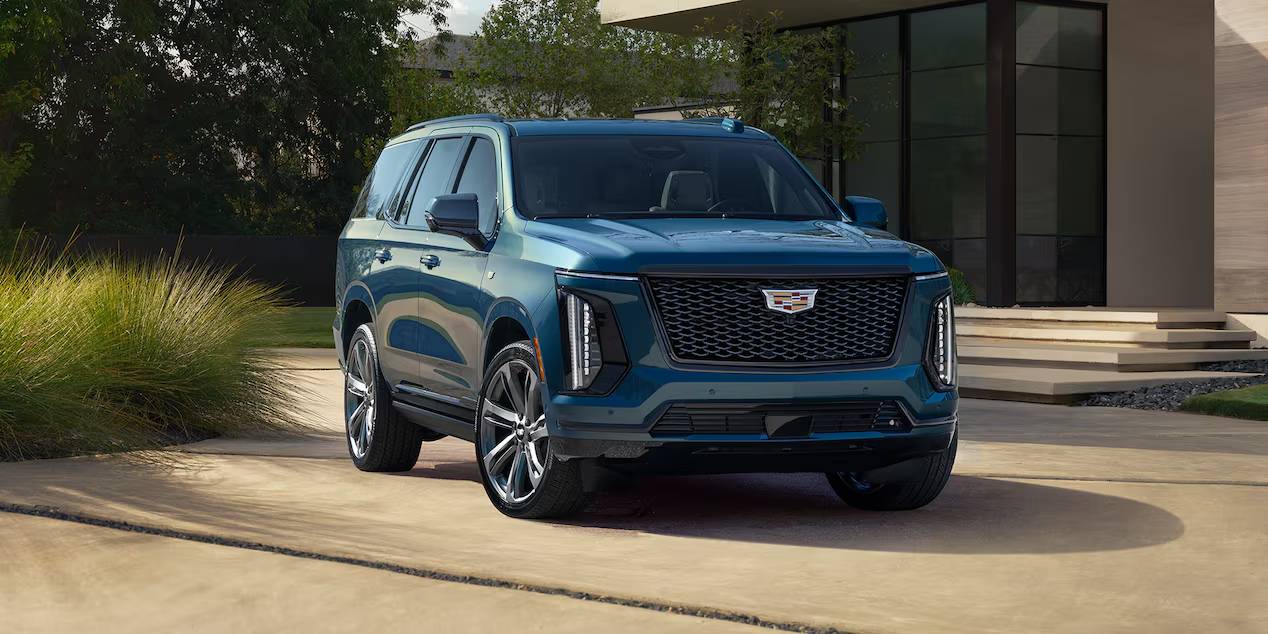
If you’re shopping for wheels (OEM replacements, winter sets, or a custom look), the first fitment spec you have to get right is the bolt pattern. At Turan-Foley Cadillac, our parts and service teams confirm bolt pattern first because it instantly narrows down what will physically mount to the hub—and it prevents costly “almost fits” wheel purchases.
On the Cadillac Escalade, the bolt pattern is consistent across every model year produced: 6×139.7 mm (also written as 6×5.5″).
Before you order wheels, remember: bolt pattern is necessary, but it’s not the only fitment spec that matters. You’ll still want to verify center bore, offset/backspacing, wheel width/diameter, brake-caliper clearance, load rating, and the correct lug hardware for your exact Escalade.
2024–2026 Cadillac Escalade Bolt Pattern
Model years covered: 2024, 2025
Bolt pattern: 6×139.7 mm (6×5.5″)
2021–2023 Cadillac Escalade Bolt Pattern
Model years covered: 2021, 2022, 2023
Bolt pattern: 6×139.7 mm (6×5.5″)
2015–2020 Cadillac Escalade Bolt Pattern
Model years covered: 2015, 2016, 2017, 2018, 2019, 2020
Bolt pattern: 6×139.7 mm (6×5.5″)
2007–2014 Cadillac Escalade Bolt Pattern
Model years covered: 2007, 2008, 2009, 2010, 2011, 2012, 2013, 2014
Bolt pattern: 6×139.7 mm (6×5.5″)
2002–2006 Cadillac Escalade Bolt Pattern
Model years covered: 2002, 2003, 2004, 2005, 2006
Bolt pattern: 6×139.7 mm (6×5.5″)
2001 Cadillac Escalade Bolt Pattern
There was no Cadillac Escalade produced for the 2001 model year (Cadillac skipped 2001 ahead of the 2002 redesign).
1999–2000 Cadillac Escalade Bolt Pattern
Model years covered: 1999, 2000
Bolt pattern: 6×139.7 mm (6×5.5″)
Conclusion
The good news is that Escalade owners don’t have to chase different lug patterns by generation—every Escalade model year that was produced uses a 6×139.7 mm (6×5.5″) bolt pattern.
If you’d like, Turan-Foley Cadillac can help you match wheels to your exact Escalade year and trim with the rest of the fitment details (offset, center bore, load rating, and brake clearance) so you end up with a setup that looks right and drives right the first time.
Fastest Cadillac Models: Full Lineup 0-60 Times

Cadillac has transformed from a traditional luxury brand into a serious performance contender, offering some of the quickest vehicles in the luxury segment. From the electric Lyriq-V that rockets to 60 mph in just 3.3 seconds to the supercharged CT5-V Blackwing with its hand-built V8, today’s Cadillac lineup delivers exhilarating performance wrapped in premium luxury.
Whether you’re shopping for a track-ready sedan or a full-size SUV that can embarrass sports cars, Turan-Foley Cadillac in Gulfport has the expertise to help you find your perfect performance Cadillac. Here’s everything you need to know about the fastest Cadillac models and their impressive 0-60 times.
What Is the Fastest Cadillac? Meet the CT5-V Blackwing
The Lyriq-V takes the crown as the quickest Cadillac ever built, launching to 60 mph in just 3.3 seconds thanks to its dual-motor electric setup. But if you’re after the ultimate gas-powered beast, the CT5-V Blackwing still reigns supreme, delivering an experience that perfectly marries track capability with genuine luxury.
What’s under the hood? A hand-built supercharged 6.2-liter V8 that pumps out 668 horsepower and 659 lb-ft of torque. This translates to a blistering 0-60 mph time of 3.5 seconds with the automatic, making it the fastest traditional-engine Cadillac sedan you can buy. The supercharger’s distinctive whine gives you just enough warning before the acceleration slams you back into your seat. During 0-to-150-to-0 testing, the automatic Blackwing finished just 0.3 second behind a Porsche 911 GT3.
The CT5-V Blackwing isn’t just about straight-line speed. Magnetic Ride Control 4.0 suspension tweaks damping every millisecond for incredible handling precision. Brembo brakes provide the stopping power to match that acceleration, while Performance Traction Management helps you harness all that power safely. A top speed of 209 mph proves Cadillac’s serious about outright performance, creating one of the most capable luxury sports sedans on the planet.
Complete Cadillac 0-60 Times: Current Lineup Performance Table
Here’s the complete performance hierarchy of Cadillac’s fastest models. This table shows exactly where each vehicle stands for straight-line acceleration:
| Model | Trim/Configuration | 0-60 MPH | Type |
| Lyriq-V | Premium (Dual Motor AWD) | 3.3 sec | Electric SUV |
| CT5-V Blackwing | Automatic | 3.5 sec | Sedan |
| CT5-V Blackwing | Manual | 3.6 sec | Sedan |
| CT4-V Blackwing | Automatic | 3.9 sec | Sedan |
| CT4-V Blackwing | Manual | 4.2 sec | Sedan |
| Escalade V | Standard | 4.3 sec | SUV |
| Lyriq | Luxury AWD | 4.6 sec | Electric SUV |
Keep in mind that 0-60 times vary depending on configuration, transmission type, driving conditions, and testing methodology. The times listed come from manufacturer estimates or professional testing results.
The Lyriq-V’s 615-horsepower dual-motor configuration delivers that instant electric torque we’re all getting familiar with, making it the quickest Cadillac in history while still providing 285 miles of EPA-estimated range. The CT5-V Blackwing follows closely behind, offering that visceral supercharged V8 character that electric can’t replicate. Across the Blackwing lineup, transmission choice matters. Automatics consistently deliver quicker times while manuals enhance driver engagement.
Understanding the Cadillac V-Series and Blackwing Hierarchy
Cadillac’s performance lineup follows a logical progression. Standard models provide refined luxury with solid performance that handles daily driving smoothly. These vehicles focus on comfort and efficiency while maintaining responsive handling.
V-Series models step things up significantly with more powerful turbocharged engines, upgraded suspension, and performance features that completely transform how the car feels. You get genuine excitement without giving up daily usability.
Blackwing models represent Cadillac’s take-no-prisoners approach. These cars feature hand-built engines, track-tuned suspension, and aerodynamic elements that push them into supercar territory.
Blackwing Models: Track-Ready Performance Excellence
Blackwing models use lightweight materials throughout, including carbon fiber hoods and magnesium seat frames. Engineers spent countless hours at Virginia International Raceway and the Nürburgring perfecting suspension tuning, damping rates, and stabilizer bars. The goal was incredible grip and predictable handling at the limit while keeping things comfortable for daily driving.
The aerodynamics actually work, not just for show. Air intakes feed cooling systems that manage heat from those powerful engines. Rear spoilers create real downforce at speed, improving stability during aggressive driving. Underbody panels reduce lift and boost efficiency.
Customizable drive modes let you adjust throttle response, transmission behavior, suspension stiffness, and exhaust note to match whatever you’re doing. The Performance Data Recorder captures driving data for later review. These are precision instruments that reward drivers who appreciate serious engineering.
V-Series Models: Elevated Everyday Performance
V-Series models nail the sweet spot between excitement and practicality. Turbocharged engines deliver strong power across a wide rev range, giving immediate response when you want it while maintaining reasonable fuel efficiency during normal driving.
You get bigger brakes, sport-tuned suspension, and performance cooling packages that enhance capability without killing comfort. Attack mountain roads on Saturday, then cruise comfortably to work Monday morning. Modern driver assistance technology integrates seamlessly with performance hardware, providing adaptive cruise control, blind spot monitoring, and automatic emergency braking alongside enhanced capability.
Fastest Cadillac Sedan Options: CT4 vs CT5 Performance Breakdown
The CT4-V Blackwing runs a 3.6-liter twin-turbocharged V6 making 472 horsepower and 445 lb-ft of torque. That’s good for a 3.9-second 0-60 time with the automatic transmission. This engine loves to rev and responds immediately, creating genuine engagement. Compact dimensions mean agile handling that rewards spirited driving. You can get it with either a six-speed manual or 10-speed automatic. It particularly appeals to purists wanting that tactile connection of rowing their own gears.
The CT5-V Blackwing takes a different approach with its supercharged V8. That 668 horsepower doesn’t just deliver faster acceleration (3.5-second 0-60 time), it creates completely different character. Immediate supercharger boost response and proper V8 soundtrack create something visceral. The larger platform provides more passenger space, making it more practical for longer trips while still delivering crushing performance.
Both share similar chassis technology, including Magnetic Ride Control and Performance Traction Management. Your choice comes down to whether you want the nimble, lightweight feel of the CT4 or the extra power and space the CT5 provides.
Fastest Cadillac SUV: Escalade-V Performance Specs
The Escalade-V redefines what a full-size luxury SUV can accomplish. Under the hood sits a supercharged 6.2-liter V8 pumping out 682 horsepower and 653 lb-ft of torque. This makes it the most powerful production Cadillac SUV ever built. Acceleration to 60 mph in 4.3 seconds embarrasses many sports cars.
Making something this massive handle such power required serious chassis work. Cadillac equipped the Escalade-V with Magnetic Ride Control 4.0, the same adaptive suspension found in the Blackwing sedans. Air springs at all corners help manage the considerable mass while maintaining composure during hard acceleration. Massive Brembo brakes provide the necessary stopping power.
Despite its size, this SUV handles corners with surprising confidence thanks to electronic limited-slip differential and Performance Traction Management. Multiple drive modes adjust everything from efficient touring to aggressive sport settings that sharpen throttle response and wake up the exhaust note. The result challenges every assumption about performance SUVs while still seating seven passengers in exceptional luxury.
What Makes the Cadillac Performance Lineup Stand Out
Cadillac’s performance vehicles distinguish themselves through genuine commitment to driver engagement beyond just adding horsepower. Magnetic Ride Control adjusts suspension damping faster than any mechanical system could respond, keeping everything composed even during aggressive driving.
Blackwing models feature hand-built engines. Each powerplant receives attention from a single technician who signs off on the completed assembly. This approach ensures consistent quality and allows tighter tolerances than mass production achieves, delivering impressive power figures plus refined delivery and durability.
Technology integration enhances rather than overwhelms the experience. Customizable drive modes let you tailor vehicle behavior to match conditions and preferences. Performance Data Recorder captures video, audio, and telemetry during track sessions, helping you analyze and improve your driving.
What truly separates Cadillac? Combining performance focus with genuine luxury. You’ll find the same premium materials, advanced technology, and meticulous attention to detail in a CT5-V Blackwing that you’d expect in any luxury sedan. This blend creates vehicles that excel at multiple roles.
Experience the Fastest Cadillac Models at Turan-Foley Cadillac in Gulfport
Reading specs only tells part of the story. The true character of Cadillac’s performance lineup reveals itself behind the wheel. Turan-Foley Cadillac invites you to experience these exceptional vehicles firsthand at our Gulfport dealership on the Mississippi Gulf Coast.
Our team brings real expertise to help you discover which Cadillac model best matches your driving style. Whether you’re considering the lightning-quick Lyriq-V, the track-focused CT5-V Blackwing, or the Escalade-V’s impressive capabilities, we provide honest guidance without pressure.
Visit us at 11123 Hwy 49 N in Gulfport to explore the complete Cadillac performance lineup. Schedule your test drive today by calling 228-284-2613 or visiting our website.
Most luxury car brands build their identity through modern marketing. Cadillac took a different path. The distinctive crest adorning every Cadillac vehicle traces back to an 18th-century French explorer who never saw an automobile. This remarkable connection between nobility and automotive excellence has shaped one of America’s most recognizable luxury brands for over a century.
The Noble Origins: How a French Explorer Became an Automotive Icon
When Henry Leland founded the Cadillac company in 1902, he faced a crucial branding decision. Rather than create something entirely new, he looked to Detroit’s founding father for inspiration. This choice would define the Cadillac car brand for generations.
Antoine de la Mothe Cadillac and His Coat of Arms
Antoine de la Mothe Cadillac arrived in North America in 1683, driven by ambition and a pioneering spirit. The French explorer established Fort Pontchartrain du Détroit in 1701, laying the foundation for the city where Cadillac vehicles would later be born. His personal coat of arms, a symbol of his noble lineage, featured intricate heraldic elements that would become the foundation of automotive luxury when Henry Leland adopted them in 1905.
The coat of arms wasn’t just decorative. It represented status, achievements, and family heritage. When the automotive company adopted this historical emblem, they inherited centuries of symbolic meaning. The Cadillac coat of arms became more than a logo (it transformed into a promise of quality, craftsmanship, and prestige that connected American innovation with European nobility).
From Detroit Founder to Luxury Symbol
The connection between a French explorer and an American automotive icon might seem unusual at first. But the parallel between Cadillac’s pioneering spirit and the brand’s commitment to innovation made perfect sense. Both represented leadership, exploration, and the courage to chart new territory.
Henry Leland understood that luxury required more than fine materials and precise engineering. It needed a story, a heritage that customers could connect with emotionally. By linking the first Cadillac automobiles to Detroit’s founding father, the company established instant credibility and gravitas from the very beginning.
Decoding the Cadillac Emblem: The Meaning Behind Every Element
The meaning of Cadillac emblem extends far beyond aesthetic appeal. Every component carries specific symbolism carefully preserved throughout the Cadillac logo evolution. Understanding what the Cadillac emblem means requires examining each heraldic element individually.
The Crown, Shield, and Quartered Colors
The pearl-studded coronet sitting atop the shield represents France’s six ancient courts, with its pearls indicating royal descendants of Toulouse. This crown signals that Cadillac doesn’t just build cars; the brand creates vehicles worthy of nobility. The shield itself symbolizes protection and strength, reassuring owners that their investment stands guard against the ordinary.
The quartered colors within the shield tell their own story. Red and silver represent bravery and purity, while black and yellow symbolize determination and generosity. Each section contributes to the whole, much like how engineering, design, and craftsmanship combine to create a complete Cadillac experience. The rich colors convey sophistication while maintaining visual interest across different applications and scales.
The Mysterious Merlettes and the Laurel Wreath
Look closely at the Cadillac emblem, and you’ll notice small birds called merlettes. These mythical creatures appear without beaks or feet, eternally in flight, symbolizing constant striving for excellence. Traditionally appearing in trios to reference the Holy Trinity, these heraldic birds add depth to the Cadillac emblem meaning, suggesting that luxury must be earned through dedication and perseverance.
The laurel wreath encircling the crest carries universal symbolism of victory and achievement. Its connection to Cadillac’s history runs deeper than aesthetics. When the brand won the prestigious Dewar Trophy in 1908 for pioneering parts standardization, the laurel wreath took on added significance as a symbol of the company’s revolutionary technical achievements.
The Early Years: Birth of the Cadillac Crest (1902-1930s)
The original Cadillac emblem emerged in 1902 as simple cursive script before evolving into the first circular coat-of-arms badge in 1905. Those early versions featured more elaborate detail than today’s streamlined design, closely mirroring Antoine de la Mothe Cadillac’s actual coat of arms, complete with intricate flourishes and complex color patterns.
By 1908, the crest had gained additional elements including slogans, a tulip-bulb wreath, and a nine-point crown that later became seven. During these formative decades, Cadillac established itself as a pioneer in precision manufacturing. The brand’s commitment to interchangeable parts revolutionized automotive production. This technical innovation mirrored the crest’s promise of quality and craftsmanship.
The crest evolved subtly during this period as Cadillac refined its brand identity. Changes remained conservative, respecting the historical significance while adapting to practical manufacturing considerations. These early adjustments set a pattern that would continue throughout the Cadillac history timeline: evolution without abandonment of core identity.
The Golden Era: Art Deco Glamour and Post-War Prestige (1930s-1960s)
The decades spanning the 1930s through 1960s represent Cadillac’s most glamorous period. Between 1932 and 1942, Art Deco influences swept through American design, and the Cadillac emblems through the years reflected this aesthetic revolution with wings framing the crest. Sharp lines, geometric patterns, and streamlined forms characterized both the vehicles and their badges.
The wartime years of 1943 to 1945 brought simplicity to the design, followed by the addition of a victory flag. Post-war prosperity created unprecedented demand for luxury vehicles. From 1946 onward, a bold V appeared in the crest, celebrating Cadillac’s powerful V8 engines. Later designs featured stylized V-wings that complemented the era’s dramatic vehicle styling.
This era saw Cadillac introduce iconic models that became synonymous with luxury. Tailfins reached skyward, chrome sparkled in abundance, and the crest evolved to complement these bold designs. Between 1957 and 1960, the emblem took on a low, broad shape that perfectly mirrored the jet-age tailfins and futuristic styling of the period. The brand’s vehicles weren’t just transportation; they were rolling statements of style and sophistication.
Mid-Century Refinements: Streamlining a Legend (1960s-1999)
As tastes changed through the latter half of the 20th century, Cadillac adapted its visual identity. The Cadillac logos through the years became progressively simpler and more refined. In 1970, the wings disappeared entirely. Then from 1973 to 1994, the laurels returned, demonstrating the brand’s commitment to its heritage symbols.
Remarkably, the 1963 crest design endured for 36 years with minimal changes, a testament to its iconic status and timeless appeal. These modifications respected tradition while acknowledging contemporary preferences. The core elements remained constant: crown, shield, quartered colors, and heraldic details. But their execution became cleaner and more sophisticated.
The period also saw increased competition from European luxury brands. Cadillac responded by emphasizing its unique American heritage and the historical significance of its emblem. Between 1995 and 1999, a circular badge encasement provided a fresh presentation while the crest became a differentiator, a symbol that connected customers to something larger than automotive engineering alone.
The Modern Crest: Bold Simplicity for a New Century (2000-Present)
The turn of the millennium brought dramatic changes to automotive design and consumer expectations. The new Cadillac emblem needed to honor tradition while embracing contemporary aesthetics.
The 2000 Art and Science Transformation
Cadillac’s Art and Science design philosophy revolutionized the brand’s approach to luxury. Sharp angles replaced flowing curves. Bold statements superseded subtle elegance. The Cadillac logo’s new direction reflected this transformation with a more angular, contemporary interpretation of the traditional crest.
In 1999 and 2000, nearly 30 redesigns led to this dramatic shift. The merlettes and coronet were removed for the first time in the brand’s history, creating crisp angles and streamlined forms. This wasn’t abandonment of heritage but rather its reinterpretation for a new generation. The fundamental shield and symbolic colors remained, but their execution became decidedly modern.
The Art and Science philosophy extended beyond the emblem to every aspect of vehicle design. By 2014, the crest received cleaner lines and enlarged proportions, creating cohesion between badge and bodywork. The transformation attracted younger luxury buyers while retaining traditional Cadillac enthusiasts.
Today’s Striking Monochromatic Emblem
The current Cadillac emblem represents the brand’s most dramatic departure from tradition. Introduced in 2021, the monochromatic design eliminates the traditional quartered colors and laurel wreath in favor of sleek, sophisticated simplicity. This bold choice aligns with the brand’s electric future, appearing on groundbreaking vehicles like the LYRIQ.
Despite removing color, the emblem loses none of its recognition or symbolic power. The shield shape remains distinctive. The crown still conveys aspiration and achievement. What changed is execution rather than essence. This approach appeals to modern luxury consumers who value clean design and timeless sophistication while supporting Cadillac’s expanding electric vehicle lineup.
Evolution at a Glance: The Cadillac Crest Through Time
| Era | Main Visual Features | Key Symbolic Elements |
| 1902-1930s | Circular coat of arms, tulip wreath, ornate crown | Noble heritage established, Dewar Trophy laurels added |
| 1932-1945 | Art Deco wings, streamlined wartime design | Victory and progress through innovation |
| 1946-1972 | Bold V for V8 engines, stylized V-wings | Power and performance celebrated |
| 1973-1999 | Cleaner lines, laurels return, circular encasement | Classic stability meets modern refinement |
| 2000-2020 | Angular Art and Science design, merlettes removed | Contemporary luxury redefined |
| 2021-Present | Monochrome, wreath removed | Electric future, minimalist sophistication |
Experience the Legacy at Turan-Foley Cadillac
Understanding the Cadillac logo history enriches the ownership experience, but nothing compares to seeing that legendary crest adorning a vehicle you can actually drive. At Turan-Foley Cadillac in Gulfport, Mississippi, we bring the legacy of excellence represented by that emblem to life daily.
Our family-owned dealership has served the Mississippi Gulf Coast for over 50 years, embodying the same commitment to quality and craftsmanship that the crest symbolizes. Every new Cadillac sedan, SUV, and electric vehicle in our showroom carries that distinctive emblem, connecting today’s cutting-edge technology with centuries of heritage. From the innovative LYRIQ electric vehicle to the upcoming Optiq and Vistiq models, each represents the next chapter in this storied legacy.
Visit us at 11123 Hwy 49 N, Gulfport, MS 39503, or call 228-284-2613 to discover how Cadillac continues honoring its noble heritage while embracing an exciting electric future. The crest on the grille isn’t just decoration. It’s an invitation to experience luxury refined through generations of innovation and excellence.
Your Cadillac’s dashboard is constantly talking to you. It communicates vital information about the sophisticated systems running throughout your vehicle. When a warning light pops up, it’s not just decoration – it’s telling you something needs attention before it turns into a major headache. At Turan-Foley Cadillac in Gulfport, we help drivers make sense of these dashboard symbols and take the right steps to keep their vehicles running smoothly.
This guide covers the most common Cadillac warning lights. We’ll explain what each symbol means and what you should do when one appears.
Understanding Cadillac Warning Light Colors and Urgency Levels
Cadillac warning lights use a color-coded system to show urgency:
- Red Warning Lights signal immediate danger to you or your vehicle. These indicate problems that could cause injury or serious engine damage. When you see red, pull over safely and deal with the issue right away.
- Yellow and Amber Warning Lights indicate issues that need prompt attention. While not immediately dangerous, these need service soon. You can usually continue driving carefully, but schedule service without delay.
- Green and Blue Indicator Lights are just informational. These confirm that systems are working normally and need no action.
This color system works the same way across all Cadillac models, from the Escalade to the LYRIQ electric vehicle.
Red Warning Lights: Stop and Take Immediate Action
Oil Pressure Warning Light
What it means: Engine oil pressure has dropped to dangerous levels. Without proper oil pressure, metal parts grind against each other, causing permanent damage within minutes.
What to do: Pull over safely and shut off the engine immediately. Check your oil level, but even if it looks fine, you might have pump failure or a major leak. Get it towed rather than driving. Running with this light on can destroy your engine and void your warranty.
Engine Coolant Temperature Warning
What it means: Your engine is overheating. This thermometer symbol shows low coolant, leaks, or cooling fan failure.
What to do: Pull over and turn off the engine immediately. Never remove the radiator cap while hot. Wait at least 30 minutes before checking coolant levels. Driving an overheating engine causes thousands in damage and voids warranty coverage. Have your vehicle towed to our Gulfport service center.
Brake System Warning Light
What it means: Your brake system has a malfunction. If it appears with the ABS light, regular braking might be compromised. Causes include low brake fluid, worn pads, or hydraulic system problems.
What to do: Stop safely as soon as possible. Test your brakes gently in a safe location. If the pedal feels spongy or braking seems poor, don’t drive. Have your vehicle inspected immediately by our GM-certified technicians.
Battery and Charging System Light
What it means: Your charging system is malfunctioning. Usually the alternator, battery, or connections have failed. You’re running on battery power alone, which won’t last long.
What to do: Pull over safely. If you must drive a short distance, turn off all electrical accessories including AC, radio, and heated seats. Don’t try long distances. Your battery will die, leaving you stranded. Get diagnosed immediately.
Airbag (SRS) Warning Light
What it means: Your Supplemental Restraint System has a fault. Issues might involve sensors, wiring, or the airbags themselves. In a crash, airbags may not deploy properly.
What to do: You can keep driving, but schedule immediate service. This compromises your crash safety. Our certified technicians have specialized Cadillac equipment to diagnose and repair SRS problems safely.
Yellow and Amber Warning Lights: Schedule Service Soon
Check Engine Light (Malfunction Indicator Lamp)
What it means: Your vehicle’s computer detected an issue with the engine, transmission, fuel system, or emissions. Problems range from a loose gas cap to serious engine trouble. Your Cadillac stores specific diagnostic codes that identify the exact issue.
What to do: A solid light allows careful driving to our shop, but schedule service promptly. A flashing light indicates severe engine misfires that can damage your catalytic converter. Stop driving immediately. We have diagnostic tools to read codes and pinpoint problems accurately.
Tire Pressure Monitoring System (TPMS) Light
What it means: One or more tires is significantly underinflated. This affects handling, fuel economy, and safety across all Cadillac models.
What to do: Check all tire pressures including the spare and inflate to specifications on your driver’s door sticker. If the light stays on after proper inflation, you likely need a new TPMS sensor. If the TPMS light blinks for about a minute at startup, the system itself needs service. Schedule diagnostics with us for sensor issues.
ABS and Traction Control Warning Lights
What it means: Your Anti-lock Brake System or Traction Control System has malfunctioned. Regular brakes usually still work, but you’ve lost safety technology that prevents wheel lockup during hard braking and maintains stability on slippery surfaces.
What to do: Drive carefully with increased following distance and reduced speed in bad conditions. These safety systems are essential, so schedule service promptly. Our technicians diagnose ABS and traction control using GM procedures and genuine Cadillac parts.
Green and Blue Indicator Lights: System Status Information
These dashboard lights provide information rather than warnings. Common examples include:
- Adaptive Cruise Control: White when ready, green when actively controlling speed.
- Lane Departure Warning: Green when monitoring lane position.
- Vehicle Ahead Indicator: Green when detecting vehicles ahead, amber if following too closely.
- Turn Signal Indicators: Green arrows confirming turn signals are active.
- High Beam Indicator: Blue light confirming high beams are on.
- Security System: Red flashing light when the vehicle is locked and armed.
These confirm your Cadillac’s advanced features are working normally. No action needed.
What to Do When a Cadillac Warning Light Appears
When any Cadillac dashboard symbol appears:
- Consult your owner’s manual. Your manual gives specific guidance for each symbol and details applicable to your exact model.
- Don’t ignore warning lights. Small problems grow quickly into expensive repairs. Early attention protects your safety and wallet while maintaining warranty coverage.
- Know your DIY limits. Checking oil or tire pressure is fine. However, proper diagnosis needs professional equipment. Modern Cadillacs have complex computer systems that require specialized tools to read diagnostic codes accurately.
- Choose authorized Cadillac service. Our GM-certified technicians at Turan-Foley Cadillac receive ongoing factory training on the latest technology. We use genuine GM parts and Cadillac-specific diagnostic equipment for accurate diagnosis and quality repairs that protect your warranty.
Frequently Asked Questions About Cadillac Dashboard Symbols
What does a flashing check engine light mean?
Flashing indicates severe engine misfires that can quickly destroy your catalytic converter, resulting in thousands in repair costs. Stop driving immediately and arrange towing.
How urgent is the TPMS light?
A solid light means check your tires promptly. Underinflated tires create safety risks. Flashing for about a minute at startup means your TPMS system needs service. While not immediately critical, don’t delay addressing tire pressure issues.
Can I drive with the traction control light on?
Regular brakes still work, but you’ve lost important safety features. Drive carefully, especially in bad weather, and schedule service soon to restore full system functionality.
What causes the battery light to come on?
Common causes include alternator failure, battery problems, loose connections, or serpentine belt issues. Your vehicle is running on battery power only, so you have limited time before it dies.
Schedule Cadillac Diagnostics at Turan-Foley Cadillac in Gulfport
When warning lights appear on your Cadillac dashboard, trust the experts at Turan-Foley Cadillac for professional diagnosis and service. Our family-owned dealership has served Mississippi Gulf Coast drivers for over 50 years with expert care and cutting-edge GM diagnostic technology.
Our service center features Cadillac Master Technicians who specialize in diagnosing dashboard warning light issues across all models. We use factory-certified diagnostic equipment to read codes accurately and identify problems quickly.Contact our service department at 228-205-7095 to schedule comprehensive diagnostics. Don’t let warning lights become major problems. We’ll provide the expert care your Cadillac deserves and keep you driving safely.
Cadillac OPTIQ Color Options: All Model Years
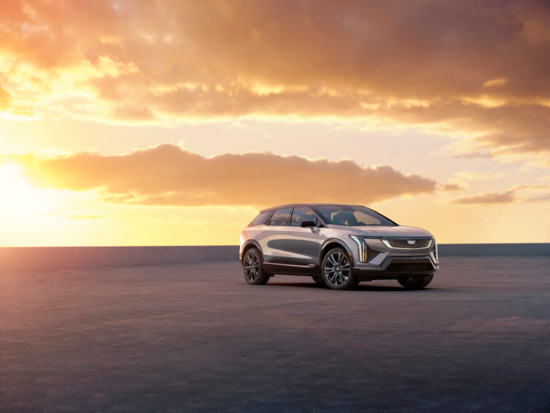
At Turan-Foley Cadillac, we spend a lot of time helping drivers dial in the details that make an OPTIQ feel like it was built for them. Color is one of the biggest ones. The OPTIQ’s design has sharp lines, athletic proportions, and signature lighting, so your paint choice can completely change the vibe, from understated luxury to bold, head-turning energy.
Below is a model-year-by-model-year guide to Cadillac OPTIQ exterior color options, starting with the newest information available. When Cadillac keeps the palette consistent across trims, we group it together. When certain colors are tied to specific trims or special editions, we call that out so you can shop smarter.
2026 Cadillac OPTIQ color options
For 2026, Cadillac’s OPTIQ palette centers around modern metallics, a high-impact red, and a premium white, with available two-tone pairings that add a contrasting black roof on many builds. (Availability can vary by trim and package.)
Here are the 2026 OPTIQ exterior colors you’ll commonly see across the lineup:
- Black Raven
- Argent Silver Metallic
- Celestial Metallic
- Coastal Blue Metallic
- Nimbus Metallic
- Monarch Orange
- Radiant Red Tintcoat
- Vibrant White Tricoat
Many of these are also offered with an available black roof (two-tone look), depending on configuration.
2026 Cadillac OPTIQ-V exclusive colors and special-edition finishes
If you’re looking at the OPTIQ-V, Cadillac adds extra personality through limited-availability finishes and edition-themed looks. Cadillac specifically highlights Deep Ocean Tintcoat and Magnus Metal Frost in OPTIQ-V messaging and limited-edition callouts.
Notable OPTIQ-V exterior finishes called out for 2026 include:
- Deep Ocean Tintcoat (extremely limited and late availability is noted)
- Magnus Metal Frost (featured in Magnus Launch Edition content)
Depending on how you build, you’ll also see OPTIQ-V listed with black-roof pairings across multiple colors.
2025 Cadillac OPTIQ color options
The 2025 OPTIQ introduced a clean, premium palette with a strong mix of classic Cadillac shades and a couple of bolder picks depending on trim. Cadillac’s 2025 OPTIQ material breaks the color availability out by model/trim group, and that matters because some colors are tied to the Luxury vs Sport styling themes.
2025 OPTIQ colors shown for Luxury models include:
- Coastal Blue Metallic (and Coastal Blue Metallic with Black Roof)
- Argent Silver (and Argent Silver with Black Roof)
- Crystal White Tricoat (and Crystal White Tricoat with Black Roof)
- Radiant Red Tintcoat (and Radiant Red Tintcoat with Black Roof)
- Black Raven
- Celestial Metallic (and Celestial Metallic with Black Roof)
2025 OPTIQ colors shown for Sport models include:
- Monarch Orange (and Monarch Orange with Black Roof)
- Argent Silver (and Argent Silver with Black Roof)
- Crystal White Tricoat (and Crystal White Tricoat with Black Roof)
- Radiant Red Tintcoat (and Radiant Red Tintcoat with Black Roof)
- Black Raven
- Nimbus Metallic (and Nimbus Metallic with Black Roof)
2025–2026 color changes and what stayed the same
If you want the simplest “what changed?” answer, it’s the white.
- 2025: Crystal White Tricoat is part of the OPTIQ palette.
- 2026: Cadillac replaces Crystal White Tricoat with Vibrant White Tricoat.
Beyond that, the OPTIQ continues to lean on the same core identity—Black Raven, Argent Silver, Radiant Red, plus modern blues/metallics—while the OPTIQ-V introduces attention-grabbing, limited finishes like Deep Ocean Tintcoat and Magnus Metal Frost for shoppers who want the rarest look on the road.
How we help you choose the right OPTIQ color
When you’re picking an OPTIQ color, we like to narrow it down with a few quick “real life” questions:
- Do you want a color that hides dust and road spray well? Mid-tone metallics like Argent Silver and Nimbus Metallic tend to be low-stress day to day.
- Are you chasing the sharpest contrast with Cadillac’s lighting and trim details? Black Raven and Radiant Red Tintcoat both bring out OPTIQ’s angles in a big way.
- Do you want the cleanest premium look? The tricoat white options (Crystal White in 2025, Vibrant White in 2026) are the “dress-up” choices, especially when paired with a black roof.
And if you’re building an OPTIQ with the available black roof, we’ll walk you through which trims/packages support it so you don’t fall in love with a combo that isn’t offered on your exact configuration.
Conclusion
The Cadillac OPTIQ may be new to the lineup, but Cadillac didn’t treat color like an afterthought. The 2025 model year launched with a polished mix of metallics, a standout red, and Crystal White Tricoat, with available black-roof pairings that sharpen the whole profile. For 2026, the biggest shift is the move to Vibrant White Tricoat, and if you step up to the OPTIQ-V, you unlock ultra-limited, statement-making finishes like Deep Ocean Tintcoat and Magnus Metal Frost.
If you tell us the look you’re going for, we’ll match you with the right trim and color combo and help you track down the exact OPTIQ you want at Turan-Foley Cadillac.
Connect with us

