


2026 EV Tax Incentives in Mississippi

If you’re shopping for an electric vehicle in Mississippi this year, the incentives picture looks different than it did a couple of years ago. The good news: there are still meaningful ways to lower your total cost—especially if you’re installing home (or business) charging, financing a new vehicle, or you’re served by the right utility.
Below is our 2026 guide to the EV-related tax incentives and rebates Mississippi drivers should know about.
What Changed for 2026: Federal EV Purchase Credits
For most shoppers, the biggest change is that the federal EV purchase credits ended early. The IRS says the New Clean Vehicle Credit (30D) and the Used Clean Vehicle Credit (25E) are not available for vehicles acquired after Sept. 30, 2025.
That said, there’s an important “grandfather” path that can still matter in 2026:
- If you entered a written binding contract and made a payment on or before Sept. 30, 2025, you may still be eligible to claim the credit when you take possession (place the vehicle in service)—even if delivery happens after that date.
- The IRS emphasizes that “placed in service” generally means when you take possession of the vehicle.
- You’ll also want the dealer “time of sale” reporting paperwork—this reporting is part of what enables eligibility.
If you are in that small group that locked in a qualifying purchase before the deadline, the IRS lists income limits (modified AGI) of $300,000 (married filing jointly), $225,000 (head of household), and $150,000 (all other filers) for the credit.
In practical terms: for most 2026 EV purchases, there isn’t a federal “$7,500 off at tax time” credit anymore—but there are still other incentives worth capturing.
Home Charging Incentives Still Available in 2026
If you’re installing an EV charger at home, the federal Alternative Fuel Vehicle Refueling Property Credit (often called the 30C credit) is one of the most valuable incentives still available—because it runs into 2026 (with a firm end date).
For individuals, the IRS says that for property placed in service at your main home from Jan. 1, 2023 to June 30, 2026, the credit equals 30% of the cost, up to $1,000 per item (charging port).
Two key “fine print” items to plan around:
- Timing: the property needs to be placed in service by June 30, 2026.
- Location: the charger must be installed in an eligible low-income community census tract or non-urban census tract (the IRS uses census-tract rules).
If you’re considering a charger install this year, it’s worth checking tract eligibility before you buy equipment or schedule electrical work so you know whether the credit is even on the table.
Mississippi Power Rebates for EV Drivers
Mississippi doesn’t offer a broad, statewide EV purchase tax credit—but some utility programs can still move the needle.
If you’re a Mississippi Power customer, their Residential EV Rebate Form shows rebates for both the vehicle and a Level 2 charger:
- Battery Electric Vehicle (new): $1,250
- Battery Electric Vehicle (leased): $1,000
- Battery Electric Vehicle (used, costing $10k or more): $750
- Plug-in Hybrid Vehicle (new): $750
- Plug-in Hybrid Vehicle (leased): $500
- Plug-in Hybrid Vehicle (used, costing $10k or more): $500
- Level 2 Electric Vehicle Charger: $250
Mississippi Power’s form also notes program requirements like being an active Mississippi Power account holder and applying within 120 days of vehicle purchase/lease and within 120 days of charger installation.
They also promote “instant rebates” on EV chargers through the Mississippi Power Marketplace, which can reduce your upfront equipment cost (separate from tax credits).
Business & Workplace Charging Incentives in Mississippi
For businesses, two opportunities can stack nicely in 2026: utility rebates (where available) and the federal 30C credit.
Mississippi Power’s Commercial EV Rebate Form lists a $2,000 rebate for a Level 2 EV charger, and it also clarifies how dual-port units are treated (two independent circuits can qualify for two rebates; power-sharing units generally qualify for one).
On the federal side, the IRS says that for qualified property placed in service at a business from Jan. 1, 2023 to June 30, 2026, the 30C credit is generally 6% of the cost up to $100,000 per item, or 30% (same $100,000 per-item limit) if prevailing wage and apprenticeship requirements are met.
If you’re a Mississippi business thinking about customer-facing charging, workplace chargers, or fleet infrastructure, the combination of utility rebates (when available) plus a time-limited federal credit can materially reduce installed costs—especially if you’re moving quickly before the June 30, 2026 deadline.
Financing Incentive: The New Car Loan Interest Deduction
While it’s not “EV-only,” one of the most relevant 2026 vehicle incentives is a newer federal deduction for car loan interest.
The IRS explains that (effective 2025 through 2028) individuals may deduct interest paid on a loan used to purchase a qualified vehicle for personal use (leases don’t qualify), with a maximum annual deduction of $10,000 and income phase-outs beginning at $100,000 modified AGI ($200,000 for joint filers).
To qualify, the vehicle must be new and undergo final assembly in the United States, and the IRS notes you’ll include the VIN on your return for any year you claim the deduction.
For Mississippi EV shoppers financing a new, U.S.-assembled EV, this can be a real savings lever—especially when rates are higher than they were a few years ago.
Budgeting for Mississippi EV Ownership
One more Mississippi-specific item to keep in your budget: annual registration fees.
The Alternative Fuels Data Center notes that Mississippi assesses an annual fee of $150 for all-electric vehicles and $75 for plug-in hybrids and hybrid electric vehicles (in addition to standard registration fees), with annual CPI-based adjustments starting July 1, 2021.
This isn’t an incentive—but it’s part of the “true cost to own” conversation we like to have with EV buyers upfront.
We’ll Help You Line Up the Best 2026 EV Savings
At Turan-Foley Cadillac, we’re happy to walk you through the incentives that still apply in 2026—especially charger credits/rebates and the new car-loan interest deduction rules—so you can make a confident plan before you buy or install charging. Keep in mind: tax rules can be situation-specific, so it’s always smart to confirm your eligibility with a tax professional using your income, filing status, and installation address.
Cadillac Escalade Bolt Pattern | All Model Years
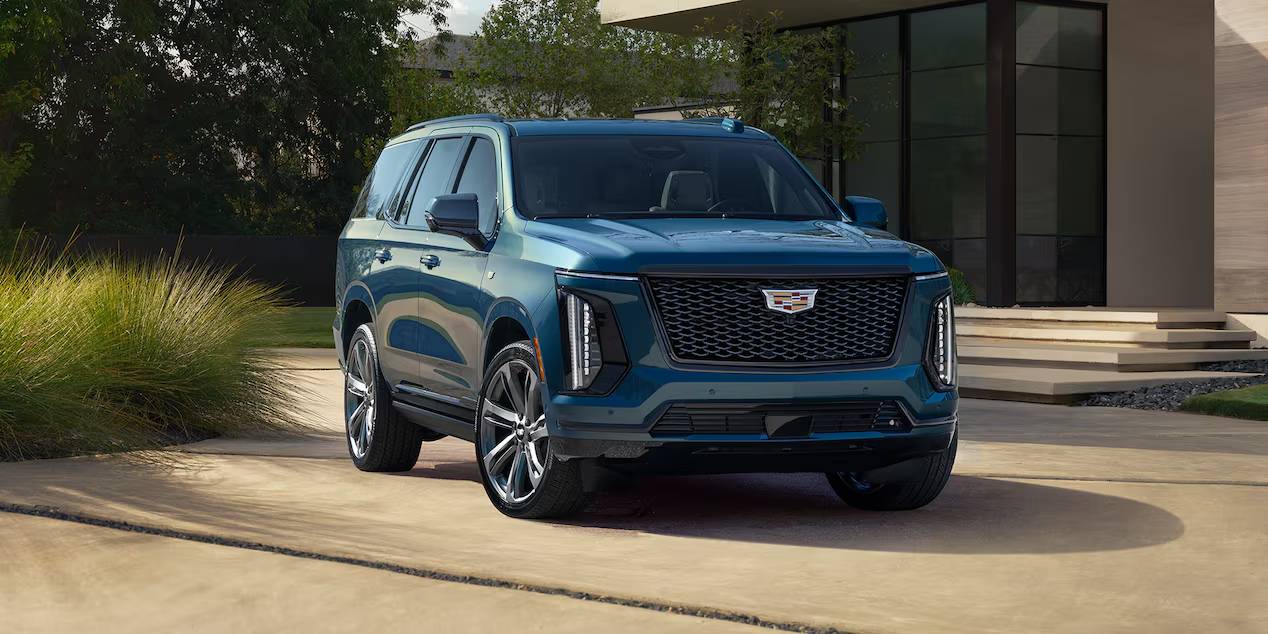
If you’re shopping for wheels (OEM replacements, winter sets, or a custom look), the first fitment spec you have to get right is the bolt pattern. At Turan-Foley Cadillac, our parts and service teams confirm bolt pattern first because it instantly narrows down what will physically mount to the hub—and it prevents costly “almost fits” wheel purchases.
On the Cadillac Escalade, the bolt pattern is consistent across every model year produced: 6×139.7 mm (also written as 6×5.5″).
Before you order wheels, remember: bolt pattern is necessary, but it’s not the only fitment spec that matters. You’ll still want to verify center bore, offset/backspacing, wheel width/diameter, brake-caliper clearance, load rating, and the correct lug hardware for your exact Escalade.
2024–2026 Cadillac Escalade Bolt Pattern
Model years covered: 2024, 2025
Bolt pattern: 6×139.7 mm (6×5.5″)
2021–2023 Cadillac Escalade Bolt Pattern
Model years covered: 2021, 2022, 2023
Bolt pattern: 6×139.7 mm (6×5.5″)
2015–2020 Cadillac Escalade Bolt Pattern
Model years covered: 2015, 2016, 2017, 2018, 2019, 2020
Bolt pattern: 6×139.7 mm (6×5.5″)
2007–2014 Cadillac Escalade Bolt Pattern
Model years covered: 2007, 2008, 2009, 2010, 2011, 2012, 2013, 2014
Bolt pattern: 6×139.7 mm (6×5.5″)
2002–2006 Cadillac Escalade Bolt Pattern
Model years covered: 2002, 2003, 2004, 2005, 2006
Bolt pattern: 6×139.7 mm (6×5.5″)
2001 Cadillac Escalade Bolt Pattern
There was no Cadillac Escalade produced for the 2001 model year (Cadillac skipped 2001 ahead of the 2002 redesign).
1999–2000 Cadillac Escalade Bolt Pattern
Model years covered: 1999, 2000
Bolt pattern: 6×139.7 mm (6×5.5″)
Conclusion
The good news is that Escalade owners don’t have to chase different lug patterns by generation—every Escalade model year that was produced uses a 6×139.7 mm (6×5.5″) bolt pattern.
If you’d like, Turan-Foley Cadillac can help you match wheels to your exact Escalade year and trim with the rest of the fitment details (offset, center bore, load rating, and brake clearance) so you end up with a setup that looks right and drives right the first time.
Fastest Cadillac Models: Full Lineup 0-60 Times

Cadillac has transformed from a traditional luxury brand into a serious performance contender, offering some of the quickest vehicles in the luxury segment. From the electric Lyriq-V that rockets to 60 mph in just 3.3 seconds to the supercharged CT5-V Blackwing with its hand-built V8, today’s Cadillac lineup delivers exhilarating performance wrapped in premium luxury.
Whether you’re shopping for a track-ready sedan or a full-size SUV that can embarrass sports cars, Turan-Foley Cadillac in Gulfport has the expertise to help you find your perfect performance Cadillac. Here’s everything you need to know about the fastest Cadillac models and their impressive 0-60 times.
What Is the Fastest Cadillac? Meet the CT5-V Blackwing
The Lyriq-V takes the crown as the quickest Cadillac ever built, launching to 60 mph in just 3.3 seconds thanks to its dual-motor electric setup. But if you’re after the ultimate gas-powered beast, the CT5-V Blackwing still reigns supreme, delivering an experience that perfectly marries track capability with genuine luxury.
What’s under the hood? A hand-built supercharged 6.2-liter V8 that pumps out 668 horsepower and 659 lb-ft of torque. This translates to a blistering 0-60 mph time of 3.5 seconds with the automatic, making it the fastest traditional-engine Cadillac sedan you can buy. The supercharger’s distinctive whine gives you just enough warning before the acceleration slams you back into your seat. During 0-to-150-to-0 testing, the automatic Blackwing finished just 0.3 second behind a Porsche 911 GT3.
The CT5-V Blackwing isn’t just about straight-line speed. Magnetic Ride Control 4.0 suspension tweaks damping every millisecond for incredible handling precision. Brembo brakes provide the stopping power to match that acceleration, while Performance Traction Management helps you harness all that power safely. A top speed of 209 mph proves Cadillac’s serious about outright performance, creating one of the most capable luxury sports sedans on the planet.
Complete Cadillac 0-60 Times: Current Lineup Performance Table
Here’s the complete performance hierarchy of Cadillac’s fastest models. This table shows exactly where each vehicle stands for straight-line acceleration:
| Model | Trim/Configuration | 0-60 MPH | Type |
| Lyriq-V | Premium (Dual Motor AWD) | 3.3 sec | Electric SUV |
| CT5-V Blackwing | Automatic | 3.5 sec | Sedan |
| CT5-V Blackwing | Manual | 3.6 sec | Sedan |
| CT4-V Blackwing | Automatic | 3.9 sec | Sedan |
| CT4-V Blackwing | Manual | 4.2 sec | Sedan |
| Escalade V | Standard | 4.3 sec | SUV |
| Lyriq | Luxury AWD | 4.6 sec | Electric SUV |
Keep in mind that 0-60 times vary depending on configuration, transmission type, driving conditions, and testing methodology. The times listed come from manufacturer estimates or professional testing results.
The Lyriq-V’s 615-horsepower dual-motor configuration delivers that instant electric torque we’re all getting familiar with, making it the quickest Cadillac in history while still providing 285 miles of EPA-estimated range. The CT5-V Blackwing follows closely behind, offering that visceral supercharged V8 character that electric can’t replicate. Across the Blackwing lineup, transmission choice matters. Automatics consistently deliver quicker times while manuals enhance driver engagement.
Understanding the Cadillac V-Series and Blackwing Hierarchy
Cadillac’s performance lineup follows a logical progression. Standard models provide refined luxury with solid performance that handles daily driving smoothly. These vehicles focus on comfort and efficiency while maintaining responsive handling.
V-Series models step things up significantly with more powerful turbocharged engines, upgraded suspension, and performance features that completely transform how the car feels. You get genuine excitement without giving up daily usability.
Blackwing models represent Cadillac’s take-no-prisoners approach. These cars feature hand-built engines, track-tuned suspension, and aerodynamic elements that push them into supercar territory.
Blackwing Models: Track-Ready Performance Excellence
Blackwing models use lightweight materials throughout, including carbon fiber hoods and magnesium seat frames. Engineers spent countless hours at Virginia International Raceway and the Nürburgring perfecting suspension tuning, damping rates, and stabilizer bars. The goal was incredible grip and predictable handling at the limit while keeping things comfortable for daily driving.
The aerodynamics actually work, not just for show. Air intakes feed cooling systems that manage heat from those powerful engines. Rear spoilers create real downforce at speed, improving stability during aggressive driving. Underbody panels reduce lift and boost efficiency.
Customizable drive modes let you adjust throttle response, transmission behavior, suspension stiffness, and exhaust note to match whatever you’re doing. The Performance Data Recorder captures driving data for later review. These are precision instruments that reward drivers who appreciate serious engineering.
V-Series Models: Elevated Everyday Performance
V-Series models nail the sweet spot between excitement and practicality. Turbocharged engines deliver strong power across a wide rev range, giving immediate response when you want it while maintaining reasonable fuel efficiency during normal driving.
You get bigger brakes, sport-tuned suspension, and performance cooling packages that enhance capability without killing comfort. Attack mountain roads on Saturday, then cruise comfortably to work Monday morning. Modern driver assistance technology integrates seamlessly with performance hardware, providing adaptive cruise control, blind spot monitoring, and automatic emergency braking alongside enhanced capability.
Fastest Cadillac Sedan Options: CT4 vs CT5 Performance Breakdown
The CT4-V Blackwing runs a 3.6-liter twin-turbocharged V6 making 472 horsepower and 445 lb-ft of torque. That’s good for a 3.9-second 0-60 time with the automatic transmission. This engine loves to rev and responds immediately, creating genuine engagement. Compact dimensions mean agile handling that rewards spirited driving. You can get it with either a six-speed manual or 10-speed automatic. It particularly appeals to purists wanting that tactile connection of rowing their own gears.
The CT5-V Blackwing takes a different approach with its supercharged V8. That 668 horsepower doesn’t just deliver faster acceleration (3.5-second 0-60 time), it creates completely different character. Immediate supercharger boost response and proper V8 soundtrack create something visceral. The larger platform provides more passenger space, making it more practical for longer trips while still delivering crushing performance.
Both share similar chassis technology, including Magnetic Ride Control and Performance Traction Management. Your choice comes down to whether you want the nimble, lightweight feel of the CT4 or the extra power and space the CT5 provides.
Fastest Cadillac SUV: Escalade-V Performance Specs
The Escalade-V redefines what a full-size luxury SUV can accomplish. Under the hood sits a supercharged 6.2-liter V8 pumping out 682 horsepower and 653 lb-ft of torque. This makes it the most powerful production Cadillac SUV ever built. Acceleration to 60 mph in 4.3 seconds embarrasses many sports cars.
Making something this massive handle such power required serious chassis work. Cadillac equipped the Escalade-V with Magnetic Ride Control 4.0, the same adaptive suspension found in the Blackwing sedans. Air springs at all corners help manage the considerable mass while maintaining composure during hard acceleration. Massive Brembo brakes provide the necessary stopping power.
Despite its size, this SUV handles corners with surprising confidence thanks to electronic limited-slip differential and Performance Traction Management. Multiple drive modes adjust everything from efficient touring to aggressive sport settings that sharpen throttle response and wake up the exhaust note. The result challenges every assumption about performance SUVs while still seating seven passengers in exceptional luxury.
What Makes the Cadillac Performance Lineup Stand Out
Cadillac’s performance vehicles distinguish themselves through genuine commitment to driver engagement beyond just adding horsepower. Magnetic Ride Control adjusts suspension damping faster than any mechanical system could respond, keeping everything composed even during aggressive driving.
Blackwing models feature hand-built engines. Each powerplant receives attention from a single technician who signs off on the completed assembly. This approach ensures consistent quality and allows tighter tolerances than mass production achieves, delivering impressive power figures plus refined delivery and durability.
Technology integration enhances rather than overwhelms the experience. Customizable drive modes let you tailor vehicle behavior to match conditions and preferences. Performance Data Recorder captures video, audio, and telemetry during track sessions, helping you analyze and improve your driving.
What truly separates Cadillac? Combining performance focus with genuine luxury. You’ll find the same premium materials, advanced technology, and meticulous attention to detail in a CT5-V Blackwing that you’d expect in any luxury sedan. This blend creates vehicles that excel at multiple roles.
Experience the Fastest Cadillac Models at Turan-Foley Cadillac in Gulfport
Reading specs only tells part of the story. The true character of Cadillac’s performance lineup reveals itself behind the wheel. Turan-Foley Cadillac invites you to experience these exceptional vehicles firsthand at our Gulfport dealership on the Mississippi Gulf Coast.
Our team brings real expertise to help you discover which Cadillac model best matches your driving style. Whether you’re considering the lightning-quick Lyriq-V, the track-focused CT5-V Blackwing, or the Escalade-V’s impressive capabilities, we provide honest guidance without pressure.
Visit us at 11123 Hwy 49 N in Gulfport to explore the complete Cadillac performance lineup. Schedule your test drive today by calling 228-284-2613 or visiting our website.
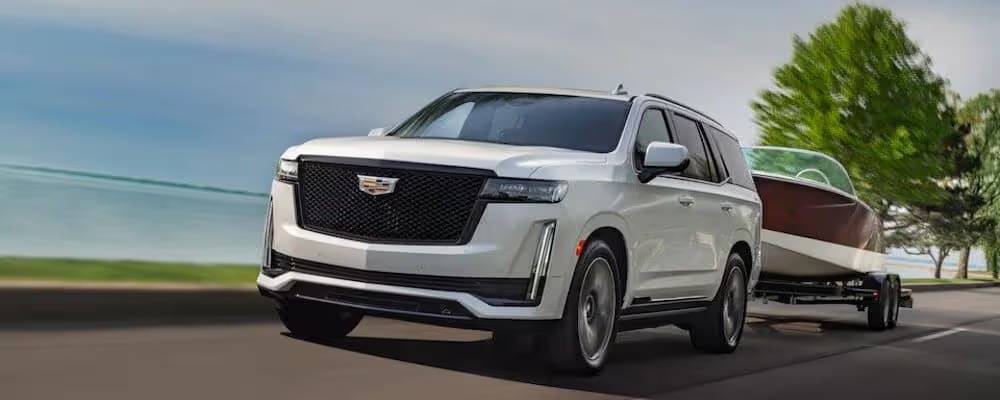
Most luxury car brands build their identity through modern marketing. Cadillac took a different path. The distinctive crest adorning every Cadillac vehicle traces back to an 18th-century French explorer who never saw an automobile. This remarkable connection between nobility and automotive excellence has shaped one of America’s most recognizable luxury brands for over a century.
The Noble Origins: How a French Explorer Became an Automotive Icon
When Henry Leland founded the Cadillac company in 1902, he faced a crucial branding decision. Rather than create something entirely new, he looked to Detroit’s founding father for inspiration. This choice would define the Cadillac car brand for generations.
Antoine de la Mothe Cadillac and His Coat of Arms
Antoine de la Mothe Cadillac arrived in North America in 1683, driven by ambition and a pioneering spirit. The French explorer established Fort Pontchartrain du Détroit in 1701, laying the foundation for the city where Cadillac vehicles would later be born. His personal coat of arms, a symbol of his noble lineage, featured intricate heraldic elements that would become the foundation of automotive luxury when Henry Leland adopted them in 1905.
The coat of arms wasn’t just decorative. It represented status, achievements, and family heritage. When the automotive company adopted this historical emblem, they inherited centuries of symbolic meaning. The Cadillac coat of arms became more than a logo (it transformed into a promise of quality, craftsmanship, and prestige that connected American innovation with European nobility).
From Detroit Founder to Luxury Symbol
The connection between a French explorer and an American automotive icon might seem unusual at first. But the parallel between Cadillac’s pioneering spirit and the brand’s commitment to innovation made perfect sense. Both represented leadership, exploration, and the courage to chart new territory.
Henry Leland understood that luxury required more than fine materials and precise engineering. It needed a story, a heritage that customers could connect with emotionally. By linking the first Cadillac automobiles to Detroit’s founding father, the company established instant credibility and gravitas from the very beginning.
Decoding the Cadillac Emblem: The Meaning Behind Every Element
The meaning of Cadillac emblem extends far beyond aesthetic appeal. Every component carries specific symbolism carefully preserved throughout the Cadillac logo evolution. Understanding what the Cadillac emblem means requires examining each heraldic element individually.
The Crown, Shield, and Quartered Colors
The pearl-studded coronet sitting atop the shield represents France’s six ancient courts, with its pearls indicating royal descendants of Toulouse. This crown signals that Cadillac doesn’t just build cars; the brand creates vehicles worthy of nobility. The shield itself symbolizes protection and strength, reassuring owners that their investment stands guard against the ordinary.
The quartered colors within the shield tell their own story. Red and silver represent bravery and purity, while black and yellow symbolize determination and generosity. Each section contributes to the whole, much like how engineering, design, and craftsmanship combine to create a complete Cadillac experience. The rich colors convey sophistication while maintaining visual interest across different applications and scales.
The Mysterious Merlettes and the Laurel Wreath
Look closely at the Cadillac emblem, and you’ll notice small birds called merlettes. These mythical creatures appear without beaks or feet, eternally in flight, symbolizing constant striving for excellence. Traditionally appearing in trios to reference the Holy Trinity, these heraldic birds add depth to the Cadillac emblem meaning, suggesting that luxury must be earned through dedication and perseverance.
The laurel wreath encircling the crest carries universal symbolism of victory and achievement. Its connection to Cadillac’s history runs deeper than aesthetics. When the brand won the prestigious Dewar Trophy in 1908 for pioneering parts standardization, the laurel wreath took on added significance as a symbol of the company’s revolutionary technical achievements.
The Early Years: Birth of the Cadillac Crest (1902-1930s)
The original Cadillac emblem emerged in 1902 as simple cursive script before evolving into the first circular coat-of-arms badge in 1905. Those early versions featured more elaborate detail than today’s streamlined design, closely mirroring Antoine de la Mothe Cadillac’s actual coat of arms, complete with intricate flourishes and complex color patterns.
By 1908, the crest had gained additional elements including slogans, a tulip-bulb wreath, and a nine-point crown that later became seven. During these formative decades, Cadillac established itself as a pioneer in precision manufacturing. The brand’s commitment to interchangeable parts revolutionized automotive production. This technical innovation mirrored the crest’s promise of quality and craftsmanship.
The crest evolved subtly during this period as Cadillac refined its brand identity. Changes remained conservative, respecting the historical significance while adapting to practical manufacturing considerations. These early adjustments set a pattern that would continue throughout the Cadillac history timeline: evolution without abandonment of core identity.
The Golden Era: Art Deco Glamour and Post-War Prestige (1930s-1960s)
The decades spanning the 1930s through 1960s represent Cadillac’s most glamorous period. Between 1932 and 1942, Art Deco influences swept through American design, and the Cadillac emblems through the years reflected this aesthetic revolution with wings framing the crest. Sharp lines, geometric patterns, and streamlined forms characterized both the vehicles and their badges.
The wartime years of 1943 to 1945 brought simplicity to the design, followed by the addition of a victory flag. Post-war prosperity created unprecedented demand for luxury vehicles. From 1946 onward, a bold V appeared in the crest, celebrating Cadillac’s powerful V8 engines. Later designs featured stylized V-wings that complemented the era’s dramatic vehicle styling.
This era saw Cadillac introduce iconic models that became synonymous with luxury. Tailfins reached skyward, chrome sparkled in abundance, and the crest evolved to complement these bold designs. Between 1957 and 1960, the emblem took on a low, broad shape that perfectly mirrored the jet-age tailfins and futuristic styling of the period. The brand’s vehicles weren’t just transportation; they were rolling statements of style and sophistication.
Mid-Century Refinements: Streamlining a Legend (1960s-1999)
As tastes changed through the latter half of the 20th century, Cadillac adapted its visual identity. The Cadillac logos through the years became progressively simpler and more refined. In 1970, the wings disappeared entirely. Then from 1973 to 1994, the laurels returned, demonstrating the brand’s commitment to its heritage symbols.
Remarkably, the 1963 crest design endured for 36 years with minimal changes, a testament to its iconic status and timeless appeal. These modifications respected tradition while acknowledging contemporary preferences. The core elements remained constant: crown, shield, quartered colors, and heraldic details. But their execution became cleaner and more sophisticated.
The period also saw increased competition from European luxury brands. Cadillac responded by emphasizing its unique American heritage and the historical significance of its emblem. Between 1995 and 1999, a circular badge encasement provided a fresh presentation while the crest became a differentiator, a symbol that connected customers to something larger than automotive engineering alone.
The Modern Crest: Bold Simplicity for a New Century (2000-Present)
The turn of the millennium brought dramatic changes to automotive design and consumer expectations. The new Cadillac emblem needed to honor tradition while embracing contemporary aesthetics.
The 2000 Art and Science Transformation
Cadillac’s Art and Science design philosophy revolutionized the brand’s approach to luxury. Sharp angles replaced flowing curves. Bold statements superseded subtle elegance. The Cadillac logo’s new direction reflected this transformation with a more angular, contemporary interpretation of the traditional crest.
In 1999 and 2000, nearly 30 redesigns led to this dramatic shift. The merlettes and coronet were removed for the first time in the brand’s history, creating crisp angles and streamlined forms. This wasn’t abandonment of heritage but rather its reinterpretation for a new generation. The fundamental shield and symbolic colors remained, but their execution became decidedly modern.
The Art and Science philosophy extended beyond the emblem to every aspect of vehicle design. By 2014, the crest received cleaner lines and enlarged proportions, creating cohesion between badge and bodywork. The transformation attracted younger luxury buyers while retaining traditional Cadillac enthusiasts.
Today’s Striking Monochromatic Emblem
The current Cadillac emblem represents the brand’s most dramatic departure from tradition. Introduced in 2021, the monochromatic design eliminates the traditional quartered colors and laurel wreath in favor of sleek, sophisticated simplicity. This bold choice aligns with the brand’s electric future, appearing on groundbreaking vehicles like the LYRIQ.
Despite removing color, the emblem loses none of its recognition or symbolic power. The shield shape remains distinctive. The crown still conveys aspiration and achievement. What changed is execution rather than essence. This approach appeals to modern luxury consumers who value clean design and timeless sophistication while supporting Cadillac’s expanding electric vehicle lineup.
Evolution at a Glance: The Cadillac Crest Through Time
| Era | Main Visual Features | Key Symbolic Elements |
| 1902-1930s | Circular coat of arms, tulip wreath, ornate crown | Noble heritage established, Dewar Trophy laurels added |
| 1932-1945 | Art Deco wings, streamlined wartime design | Victory and progress through innovation |
| 1946-1972 | Bold V for V8 engines, stylized V-wings | Power and performance celebrated |
| 1973-1999 | Cleaner lines, laurels return, circular encasement | Classic stability meets modern refinement |
| 2000-2020 | Angular Art and Science design, merlettes removed | Contemporary luxury redefined |
| 2021-Present | Monochrome, wreath removed | Electric future, minimalist sophistication |
Experience the Legacy at Turan-Foley Cadillac
Understanding the Cadillac logo history enriches the ownership experience, but nothing compares to seeing that legendary crest adorning a vehicle you can actually drive. At Turan-Foley Cadillac in Gulfport, Mississippi, we bring the legacy of excellence represented by that emblem to life daily.
Our family-owned dealership has served the Mississippi Gulf Coast for over 50 years, embodying the same commitment to quality and craftsmanship that the crest symbolizes. Every new Cadillac sedan, SUV, and electric vehicle in our showroom carries that distinctive emblem, connecting today’s cutting-edge technology with centuries of heritage. From the innovative LYRIQ electric vehicle to the upcoming Optiq and Vistiq models, each represents the next chapter in this storied legacy.
Visit us at 11123 Hwy 49 N, Gulfport, MS 39503, or call 228-284-2613 to discover how Cadillac continues honoring its noble heritage while embracing an exciting electric future. The crest on the grille isn’t just decoration. It’s an invitation to experience luxury refined through generations of innovation and excellence.
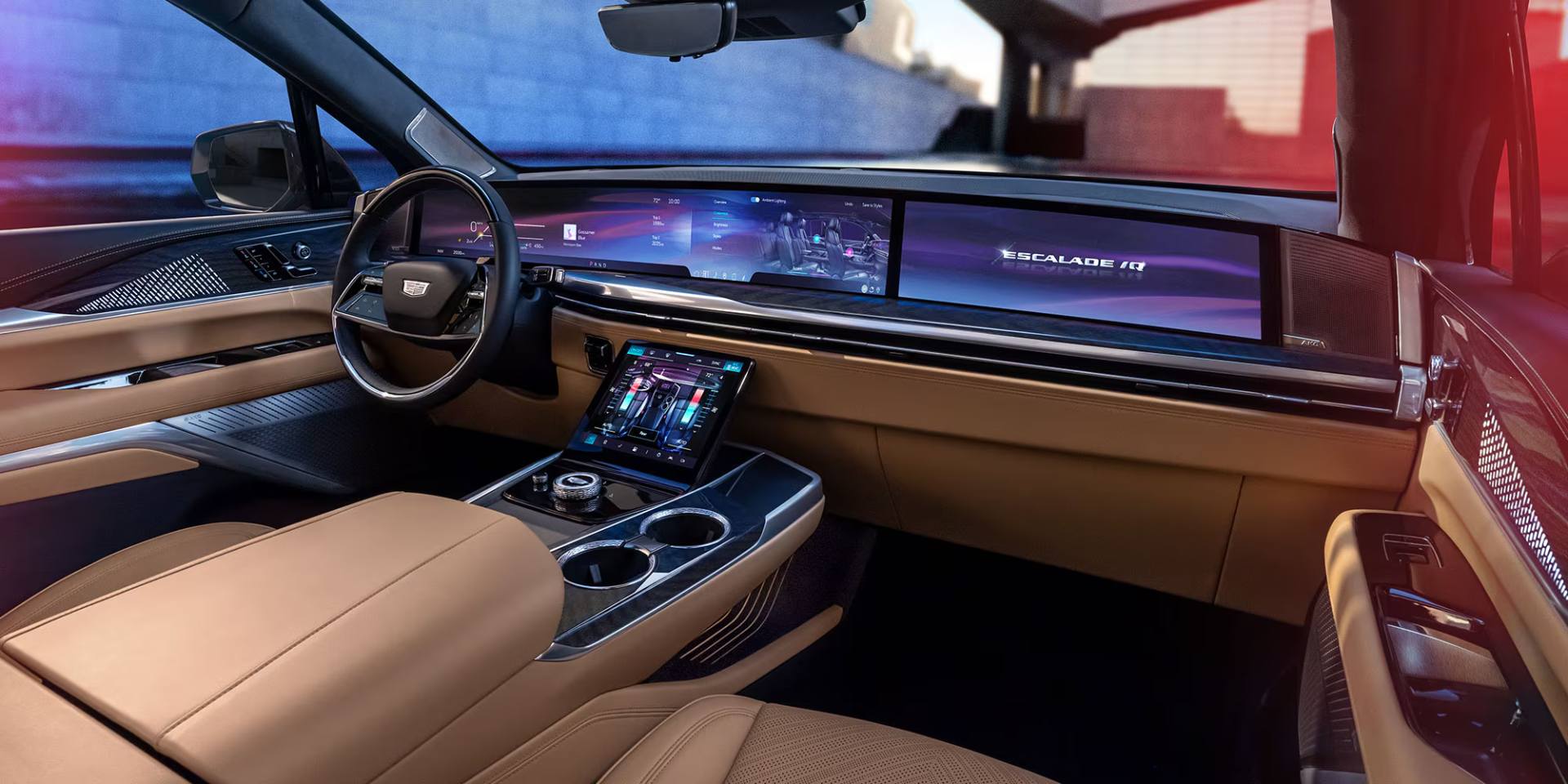
Your Cadillac’s dashboard is constantly talking to you. It communicates vital information about the sophisticated systems running throughout your vehicle. When a warning light pops up, it’s not just decoration – it’s telling you something needs attention before it turns into a major headache. At Turan-Foley Cadillac in Gulfport, we help drivers make sense of these dashboard symbols and take the right steps to keep their vehicles running smoothly.
This guide covers the most common Cadillac warning lights. We’ll explain what each symbol means and what you should do when one appears.
Understanding Cadillac Warning Light Colors and Urgency Levels
Cadillac warning lights use a color-coded system to show urgency:
- Red Warning Lights signal immediate danger to you or your vehicle. These indicate problems that could cause injury or serious engine damage. When you see red, pull over safely and deal with the issue right away.
- Yellow and Amber Warning Lights indicate issues that need prompt attention. While not immediately dangerous, these need service soon. You can usually continue driving carefully, but schedule service without delay.
- Green and Blue Indicator Lights are just informational. These confirm that systems are working normally and need no action.
This color system works the same way across all Cadillac models, from the Escalade to the LYRIQ electric vehicle.
Red Warning Lights: Stop and Take Immediate Action
Oil Pressure Warning Light
What it means: Engine oil pressure has dropped to dangerous levels. Without proper oil pressure, metal parts grind against each other, causing permanent damage within minutes.
What to do: Pull over safely and shut off the engine immediately. Check your oil level, but even if it looks fine, you might have pump failure or a major leak. Get it towed rather than driving. Running with this light on can destroy your engine and void your warranty.
Engine Coolant Temperature Warning
What it means: Your engine is overheating. This thermometer symbol shows low coolant, leaks, or cooling fan failure.
What to do: Pull over and turn off the engine immediately. Never remove the radiator cap while hot. Wait at least 30 minutes before checking coolant levels. Driving an overheating engine causes thousands in damage and voids warranty coverage. Have your vehicle towed to our Gulfport service center.
Brake System Warning Light
What it means: Your brake system has a malfunction. If it appears with the ABS light, regular braking might be compromised. Causes include low brake fluid, worn pads, or hydraulic system problems.
What to do: Stop safely as soon as possible. Test your brakes gently in a safe location. If the pedal feels spongy or braking seems poor, don’t drive. Have your vehicle inspected immediately by our GM-certified technicians.
Battery and Charging System Light
What it means: Your charging system is malfunctioning. Usually the alternator, battery, or connections have failed. You’re running on battery power alone, which won’t last long.
What to do: Pull over safely. If you must drive a short distance, turn off all electrical accessories including AC, radio, and heated seats. Don’t try long distances. Your battery will die, leaving you stranded. Get diagnosed immediately.
Airbag (SRS) Warning Light
What it means: Your Supplemental Restraint System has a fault. Issues might involve sensors, wiring, or the airbags themselves. In a crash, airbags may not deploy properly.
What to do: You can keep driving, but schedule immediate service. This compromises your crash safety. Our certified technicians have specialized Cadillac equipment to diagnose and repair SRS problems safely.
Yellow and Amber Warning Lights: Schedule Service Soon
Check Engine Light (Malfunction Indicator Lamp)
What it means: Your vehicle’s computer detected an issue with the engine, transmission, fuel system, or emissions. Problems range from a loose gas cap to serious engine trouble. Your Cadillac stores specific diagnostic codes that identify the exact issue.
What to do: A solid light allows careful driving to our shop, but schedule service promptly. A flashing light indicates severe engine misfires that can damage your catalytic converter. Stop driving immediately. We have diagnostic tools to read codes and pinpoint problems accurately.
Tire Pressure Monitoring System (TPMS) Light
What it means: One or more tires is significantly underinflated. This affects handling, fuel economy, and safety across all Cadillac models.
What to do: Check all tire pressures including the spare and inflate to specifications on your driver’s door sticker. If the light stays on after proper inflation, you likely need a new TPMS sensor. If the TPMS light blinks for about a minute at startup, the system itself needs service. Schedule diagnostics with us for sensor issues.
ABS and Traction Control Warning Lights
What it means: Your Anti-lock Brake System or Traction Control System has malfunctioned. Regular brakes usually still work, but you’ve lost safety technology that prevents wheel lockup during hard braking and maintains stability on slippery surfaces.
What to do: Drive carefully with increased following distance and reduced speed in bad conditions. These safety systems are essential, so schedule service promptly. Our technicians diagnose ABS and traction control using GM procedures and genuine Cadillac parts.
Green and Blue Indicator Lights: System Status Information
These dashboard lights provide information rather than warnings. Common examples include:
- Adaptive Cruise Control: White when ready, green when actively controlling speed.
- Lane Departure Warning: Green when monitoring lane position.
- Vehicle Ahead Indicator: Green when detecting vehicles ahead, amber if following too closely.
- Turn Signal Indicators: Green arrows confirming turn signals are active.
- High Beam Indicator: Blue light confirming high beams are on.
- Security System: Red flashing light when the vehicle is locked and armed.
These confirm your Cadillac’s advanced features are working normally. No action needed.
What to Do When a Cadillac Warning Light Appears
When any Cadillac dashboard symbol appears:
- Consult your owner’s manual. Your manual gives specific guidance for each symbol and details applicable to your exact model.
- Don’t ignore warning lights. Small problems grow quickly into expensive repairs. Early attention protects your safety and wallet while maintaining warranty coverage.
- Know your DIY limits. Checking oil or tire pressure is fine. However, proper diagnosis needs professional equipment. Modern Cadillacs have complex computer systems that require specialized tools to read diagnostic codes accurately.
- Choose authorized Cadillac service. Our GM-certified technicians at Turan-Foley Cadillac receive ongoing factory training on the latest technology. We use genuine GM parts and Cadillac-specific diagnostic equipment for accurate diagnosis and quality repairs that protect your warranty.
Frequently Asked Questions About Cadillac Dashboard Symbols
What does a flashing check engine light mean?
Flashing indicates severe engine misfires that can quickly destroy your catalytic converter, resulting in thousands in repair costs. Stop driving immediately and arrange towing.
How urgent is the TPMS light?
A solid light means check your tires promptly. Underinflated tires create safety risks. Flashing for about a minute at startup means your TPMS system needs service. While not immediately critical, don’t delay addressing tire pressure issues.
Can I drive with the traction control light on?
Regular brakes still work, but you’ve lost important safety features. Drive carefully, especially in bad weather, and schedule service soon to restore full system functionality.
What causes the battery light to come on?
Common causes include alternator failure, battery problems, loose connections, or serpentine belt issues. Your vehicle is running on battery power only, so you have limited time before it dies.
Schedule Cadillac Diagnostics at Turan-Foley Cadillac in Gulfport
When warning lights appear on your Cadillac dashboard, trust the experts at Turan-Foley Cadillac for professional diagnosis and service. Our family-owned dealership has served Mississippi Gulf Coast drivers for over 50 years with expert care and cutting-edge GM diagnostic technology.
Our service center features Cadillac Master Technicians who specialize in diagnosing dashboard warning light issues across all models. We use factory-certified diagnostic equipment to read codes accurately and identify problems quickly.Contact our service department at 228-205-7095 to schedule comprehensive diagnostics. Don’t let warning lights become major problems. We’ll provide the expert care your Cadillac deserves and keep you driving safely.
Cadillac OPTIQ Color Options: All Model Years
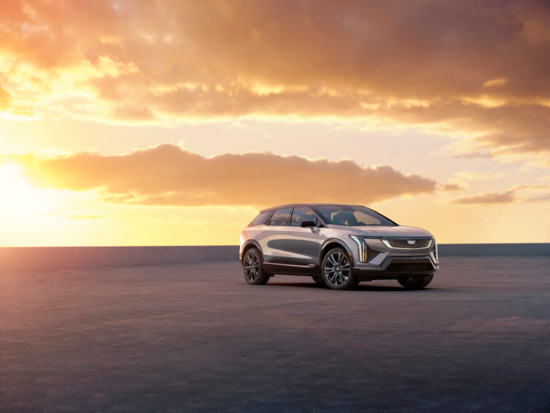
At Turan-Foley Cadillac, we spend a lot of time helping drivers dial in the details that make an OPTIQ feel like it was built for them. Color is one of the biggest ones. The OPTIQ’s design has sharp lines, athletic proportions, and signature lighting, so your paint choice can completely change the vibe, from understated luxury to bold, head-turning energy.
Below is a model-year-by-model-year guide to Cadillac OPTIQ exterior color options, starting with the newest information available. When Cadillac keeps the palette consistent across trims, we group it together. When certain colors are tied to specific trims or special editions, we call that out so you can shop smarter.
2026 Cadillac OPTIQ color options
For 2026, Cadillac’s OPTIQ palette centers around modern metallics, a high-impact red, and a premium white, with available two-tone pairings that add a contrasting black roof on many builds. (Availability can vary by trim and package.)
Here are the 2026 OPTIQ exterior colors you’ll commonly see across the lineup:
- Black Raven
- Argent Silver Metallic
- Celestial Metallic
- Coastal Blue Metallic
- Nimbus Metallic
- Monarch Orange
- Radiant Red Tintcoat
- Vibrant White Tricoat
Many of these are also offered with an available black roof (two-tone look), depending on configuration.
2026 Cadillac OPTIQ-V exclusive colors and special-edition finishes
If you’re looking at the OPTIQ-V, Cadillac adds extra personality through limited-availability finishes and edition-themed looks. Cadillac specifically highlights Deep Ocean Tintcoat and Magnus Metal Frost in OPTIQ-V messaging and limited-edition callouts.
Notable OPTIQ-V exterior finishes called out for 2026 include:
- Deep Ocean Tintcoat (extremely limited and late availability is noted)
- Magnus Metal Frost (featured in Magnus Launch Edition content)
Depending on how you build, you’ll also see OPTIQ-V listed with black-roof pairings across multiple colors.
2025 Cadillac OPTIQ color options
The 2025 OPTIQ introduced a clean, premium palette with a strong mix of classic Cadillac shades and a couple of bolder picks depending on trim. Cadillac’s 2025 OPTIQ material breaks the color availability out by model/trim group, and that matters because some colors are tied to the Luxury vs Sport styling themes.
2025 OPTIQ colors shown for Luxury models include:
- Coastal Blue Metallic (and Coastal Blue Metallic with Black Roof)
- Argent Silver (and Argent Silver with Black Roof)
- Crystal White Tricoat (and Crystal White Tricoat with Black Roof)
- Radiant Red Tintcoat (and Radiant Red Tintcoat with Black Roof)
- Black Raven
- Celestial Metallic (and Celestial Metallic with Black Roof)
2025 OPTIQ colors shown for Sport models include:
- Monarch Orange (and Monarch Orange with Black Roof)
- Argent Silver (and Argent Silver with Black Roof)
- Crystal White Tricoat (and Crystal White Tricoat with Black Roof)
- Radiant Red Tintcoat (and Radiant Red Tintcoat with Black Roof)
- Black Raven
- Nimbus Metallic (and Nimbus Metallic with Black Roof)
2025–2026 color changes and what stayed the same
If you want the simplest “what changed?” answer, it’s the white.
- 2025: Crystal White Tricoat is part of the OPTIQ palette.
- 2026: Cadillac replaces Crystal White Tricoat with Vibrant White Tricoat.
Beyond that, the OPTIQ continues to lean on the same core identity—Black Raven, Argent Silver, Radiant Red, plus modern blues/metallics—while the OPTIQ-V introduces attention-grabbing, limited finishes like Deep Ocean Tintcoat and Magnus Metal Frost for shoppers who want the rarest look on the road.
How we help you choose the right OPTIQ color
When you’re picking an OPTIQ color, we like to narrow it down with a few quick “real life” questions:
- Do you want a color that hides dust and road spray well? Mid-tone metallics like Argent Silver and Nimbus Metallic tend to be low-stress day to day.
- Are you chasing the sharpest contrast with Cadillac’s lighting and trim details? Black Raven and Radiant Red Tintcoat both bring out OPTIQ’s angles in a big way.
- Do you want the cleanest premium look? The tricoat white options (Crystal White in 2025, Vibrant White in 2026) are the “dress-up” choices, especially when paired with a black roof.
And if you’re building an OPTIQ with the available black roof, we’ll walk you through which trims/packages support it so you don’t fall in love with a combo that isn’t offered on your exact configuration.
Conclusion
The Cadillac OPTIQ may be new to the lineup, but Cadillac didn’t treat color like an afterthought. The 2025 model year launched with a polished mix of metallics, a standout red, and Crystal White Tricoat, with available black-roof pairings that sharpen the whole profile. For 2026, the biggest shift is the move to Vibrant White Tricoat, and if you step up to the OPTIQ-V, you unlock ultra-limited, statement-making finishes like Deep Ocean Tintcoat and Magnus Metal Frost.
If you tell us the look you’re going for, we’ll match you with the right trim and color combo and help you track down the exact OPTIQ you want at Turan-Foley Cadillac.
Cadillac XT5 Color Options: All Model Years

Cadillac XT5 color availability has evolved a lot since the model debuted, and at Turan-Foley Cadillac we get questions every week like “Which year had that deep blue?” or “When did Emerald Lake show up?” Below is a complete, model-year-by-model-year breakdown of XT5 exterior paint options, starting with the newest models first and grouping years where the palettes match.
Present–2024 Cadillac XT5 color options (same palette)
For 2024-Present, the XT5 palette is essentially consistent, with a balanced mix of silver/black staples, a bold red tintcoat, a deep blue, plus two standout premium metallics that give the XT5 a more tailored, upscale look in person.
Exterior colors for 2024–2026:
- Argent Silver Metallic
- Crystal White Tricoat
- Emerald Lake Metallic
- Midnight Sky Metallic
- Opulent Blue Metallic
- Radiant Red Tintcoat
- Stellar Black Metallic
2023 Cadillac XT5 color options
The 2023 XT5 lineup is known for offering a broader “boutique” feel with paints like Latte Metallic and Rosewood Metallic, alongside the core Cadillac neutrals.
Exterior colors for 2023:
- Argent Silver Metallic
- Crystal White Tricoat
- Latte Metallic
- Opulent Blue Metallic
- Radiant Red Tintcoat
- Rosewood Metallic
- Stellar Black Metallic
- Wilder Metallic
2022 Cadillac XT5 color options
For 2022, Cadillac kept the upscale neutrals and leaned into richer tones, including Latte Metallic and Rosewood Metallic, plus the darker blue and the distinctive Wilder Metallic.
Exterior colors for 2022:
- Satin Steel Metallic
- Crystal White Tricoat
- Latte Metallic
- Stellar Black Metallic
- Rosewood Metallic
- Dark Moon Blue Metallic
- Infrared Tintcoat
- Wilder Metallic
2021 Cadillac XT5 color options (same 8-color set)
The 2021 XT5 palette is an 8-color spread that covers the full “Cadillac spectrum”: crisp light paint, multiple deep metallics, and a true statement red.
Exterior colors for 2021:
- Satin Steel Metallic
- Crystal White Tricoat
- Shadow Metallic
- Stellar Black Metallic
- Rosewood Metallic
- Dark Moon Blue Metallic
- Wilder Metallic
- Infrared Tintcoat
2020 Cadillac XT5 color options
The 2020 model year brought a very classic luxury mix with multiple gray/silver choices, a deep noir metallic, and a red tintcoat that pops under sunlight. Cadillac’s official 2020 XT5 brochure lists the following exterior colors.
Exterior colors for 2020:
- Radiant Silver Metallic
- Red Horizon Tintcoat
- Dark Mocha Metallic
- Shadow Metallic
- Manhattan Noir Metallic
- Satin Steel Metallic
- Garnet Metallic
- Stellar Black Metallic
- Crystal White Tricoat
2019 Cadillac XT5 color options
For 2019, the XT5 palette is a strong mix of warm and cool metallics plus a bright red tintcoat. The 2019 Cadillac XT5 brochure and major automotive references show these exterior options.
Exterior colors for 2019:
- Crystal White Tricoat
- Stellar Black Metallic
- Radiant Silver Metallic
- Harbor Blue Metallic
- Shadow Metallic
- Bronze Dune Metallic
- Dark Granite Metallic
- Dark Mocha Metallic
- Red Horizon Tintcoat
2018 Cadillac XT5 color options
For 2018, Cadillac offered a premium-leaning set that includes Red Passion Tintcoat and multiple distinctive metallics. Cadillac’s 2018 XT5 brochure lists these exterior colors.
Exterior colors for 2018:
- Dark Granite Metallic
- Harbor Blue Metallic
- Stellar Black Metallic
- Red Passion Tintcoat
- Radiant Silver Metallic
- Deep Amethyst Metallic
- Bronze Dune Metallic
- Crystal White Tricoat
2017 Cadillac XT5 color options
The first XT5 model year had one of the more expansive palettes, including multiple “late availability” colors that were still official options for the model year. Cadillac’s 2017 XT5 brochure lists these exterior colors.
Exterior colors for 2017:
- Dark Granite Metallic
- Dark Adriatic Blue Metallic
- Stellar Black Metallic
- Red Passion Tintcoat
- Crystal White Tricoat
- Radiant Silver Metallic
- Silver Coast Metallic
- Bronze Dune Metallic (late availability)
- Deep Amethyst Metallic (late availability)
Conclusion
If you’re shopping the XT5 with a specific color in mind, the model year matters more than most people expect. Recent years (2024–2025) concentrate on jewel-toned metallics like Emerald Lake and Midnight Sky, while 2021–2023 lean into warmer boutique shades like Latte and Rosewood, and the earliest years (2017–2018) offered some unique legacy metallics you rarely see today. When you’re ready, our team at Turan-Foley Cadillac can help you match the exact look you want with the right trim, wheels, and interior combination—because the “perfect XT5” is usually a paint-and-package decision as much as it is a features decision.
Best Steakhouses in Gulfport, MS

When you’re craving a real steak dinner in Gulfport, you’ve got options that fit every kind of night out, from bourbon-and-butcher vibes downtown to white-tablecloth casino dining with Gulf views. Below are some of the best local picks for a satisfying steakhouse-style meal, plus a few ordering tips so you can get exactly what you want (and avoid the classic “I should’ve gone one temp lower” regret).
A quick pro move: if you’re not sure between two cuts, decide what matters most. Want bold beef flavor? Go ribeye. Want tenderness with a clean bite? Filet. Want a hearty, classic steakhouse feel? Prime rib when it’s on the menu.
The Rack House Steaks & Spirits
If your ideal steak night includes craft cocktails and a downtown atmosphere, this is a go-to. The setting feels elevated but not stuffy, and it’s the kind of place where you can make an evening of it, especially if you’re celebrating or entertaining friends. Their vibe also pairs well with a “try a starter, split a side, and linger” approach, which is often how the best steakhouse meals happen.
Ordering tip: if you like a strong sear, ask for a steak that’s “well-seared” (not more cooked, just more crust). And if you’re building the perfect bite, a bourbon-forward cocktail can match beautifully with a richer cut.
Carter Green Steakhouse
For a classic steakhouse experience, Island View Casino Resort hosts this polished spot with a traditional dinner-service feel. Think date-night energy, attentive pacing, and an experience designed around the main event: the steak. If you want a more formal night out (or you’re hosting someone from out of town), Carter Green fits the moment.
Ordering tip: if you’re going for filet, consider adding a sauce or pairing it with a richer side since filet is tender but milder in flavor. If you’re going ribeye, keep the sides simpler and let the marbling do the work.
Prime Cut
Also tied to the casino-resort dining scene, Prime Cut is a strong choice when you want steakhouse staples with a polished dining room and a menu that leans into prime rib and other classic favorites. It’s a solid “special occasion” option, and it’s especially appealing if your group wants a little variety alongside steak (like seafood options).
Ordering tip: if prime rib is your thing, ask about the available cuts (and don’t be shy about requesting au jus on the side). Prime rib is all about that slow-roasted, tender texture, so it’s a different experience than a grilled steak.
Sully’s Gulfport
Looking for a steak-focused place that feels lively and approachable? Sully’s is known for steaks cut to order and a tavern-style atmosphere, which makes it a great pick for a relaxed but still “this is definitely dinner” kind of outing. It’s also an easy recommendation if you like a little energy in the room while you eat.
Ordering tip: if you’re coming in hungry, this is a great place to start with something shareable, then choose your steak based on how you like your texture: ribeye for juicy richness, strip for a firmer bite and that steakhouse chew.
LongHorn Steakhouse – Gulfport
If you want a reliable steak dinner with familiar favorites and a consistent experience, LongHorn is a dependable choice in town. It’s a practical option for families, quick celebrations, and those nights when you just want a good steak without overthinking the plan.
Ordering tip: if you’re ordering medium-rare, remember that carryover heat can push it a bit as it rests. If you prefer it on the rarer side of medium-rare, consider ordering one step down.
The Chimneys Restaurant
While it’s widely loved for Gulf Coast dining, The Chimneys Restaurant is also a great pick when you want a steak-and-seafood style evening in a setting that feels distinctly local. The menu often features steak-forward dishes alongside seafood, which is perfect if your table can’t agree on just one direction (surf, turf, or both).
Ordering tip: if you’re the type who likes “a little of everything,” this is a smart place to lean into a steak dish that includes Gulf flavors, so you get the best of both worlds without having to pick sides.
Conclusion
No matter which direction you go, the best steakhouse meal is the one that matches your night: downtown ambiance, casino-level classic dining, a lively tavern vibe, or a local favorite with Gulf Coast character. If you’re planning a dinner out soon, pick your cut first, choose the atmosphere second, and let the rest fall into place.
And when you’re ready to upgrade your drive along the Mississippi Gulf Coast, come see us at Turan-Foley Cadillac. We’d love to help you find a Cadillac that fits your lifestyle, whether you’re headed to dinner downtown, cruising Beach Boulevard, or planning your next weekend getaway.
The all-electric 2026 Cadillac Escalade IQ takes the Escalade nameplate into the EV era, but the real show happens inside the cabin. From its massive pillar-to-pillar display to lounge-like rear seating and a versatile three-row layout, this SUV is designed to keep Gulfport-area families, professionals, and road-trippers comfortable on every mile. If you are shopping the Mississippi Gulf Coast and want to know how livable the Escalade IQ really is inside, this guide breaks down its key interior features and dimensions, with a focus on what you can expect from the models available at Turan Foley Cadillac.
Seating Capacity, Layout, and Everyday Usability
The 2026 Cadillac Escalade IQ seats up to seven passengers across three rows thanks to its standard second-row bucket seats and a power-folding third-row bench. That configuration gives the interior a premium, open feel while making it easy for passengers to slip into the third row without climbing over a center seat.
In the front row, wide buckets with extensive power adjustment and available massage create a true captain’s chair experience. Higher trims and packages add 16-way power adjustability with four-way lumbar support, shoulder adjustment, and power bolsters, so you can fine-tune your seating position for long I-10 drives or quick runs around Gulfport.
The second row is just as pampering. Heated captain’s chairs are standard, and the available Executive Second-Row Seating Package upgrades them with ventilation, power adjustment, massaging functionality, and stowable tray tables. This transforms row two into a rolling lounge, ideal for keeping kids comfortable or letting adult passengers work or relax on the way to meetings, the airport, or the coast.
The third row is a full bench with power-fold capability, so you can quickly trade passenger space for cargo room. Controls let you fold or raise sections of the bench at the touch of a button, making it easy to reconfigure the cabin when you pull up at the store, a game, or the marina.
Interior Dimensions: Space For Every Row
Cadillac sized the Escalade IQ to feel generous in every seating position. Official interior measurements for the 2026 model are:
- Max passenger capacity: 7
- Headroom (front/second/third row): 43.5 / 39.9 / 37.2 inches
- Legroom (front/second/third row): 45.2 / 41.3 / 32.3 inches
- Shoulder room (front/second/third row): 65.4 / 63.6 / 56.5 inches
- Hip room (front/second/third row): 61.1 / 60.3 / 49.4 inches
Those numbers translate to real-world comfort. The front row offers nearly 45 inches of legroom, so taller drivers and passengers can stretch out. In the second row, there is over 41 inches of standard legroom, and the Executive Second-Row Seating Package can increase that to about 45 inches, adding serious stretch-out space for adults.
Third-row passengers are not forgotten either. With more than 37 inches of headroom and over 32 inches of legroom, grown-ups can settle in comfortably for shorter trips, and kids will have plenty of space for daily driving duties or weekend journeys.
Cargo Space and the eTrunk
As an all-electric SUV, the Escalade IQ can use its front compartment for storage, giving you both a traditional rear cargo area and an extra “eTrunk” under the power hood. Combined, these spaces make the Escalade IQ especially convenient for families who juggle sports gear, luggage, shopping hauls, and more.
Inside the main cabin, the 2026 Escalade IQ offers:
- Up to 23.6 cubic feet of cargo space behind the third row
- About 69.1 cubic feet with the third row folded
- A maximum of 119.1 cubic feet with both second and third rows folded
On top of that, the front eTrunk provides about 12.2 cubic feet of additional storage, ideal for charging cables, smaller bags, or valuables you prefer to keep separate from the main cargo area.
Because both the second-row buckets and third-row bench can be power-folded, you can quickly go from three-row people-mover to big-cargo hauler. Whether you are loading up furniture, coolers for a beach day, or gear for a long road trip out of Gulfport, the Escalade IQ gives you flexible options without sacrificing passenger comfort.
Design, Materials, and Interior Color Choices
Step into the 2026 Escalade IQ and the first thing you notice is how modern and upscale the cabin feels. The design takes advantage of the EV platform’s flat floor and long wheelbase to create a wide, open interior with a floating center console and clean horizontal lines across the dash.
Seat materials include Inteluxe upholstery with a distinctive Fjord chevron quilting pattern on Luxury and Sport trims, available in combinations like Backen Black with Santorini accents or Sheer Gray with Dark Medium Cinder accents. Premium Luxury and Premium Sport trims step up to Nouveauluxe upholstery in richer color combinations such as Camelia with Backen Black accents or Harbor Blue with unique perforation patterns.
Ambient LED interior lighting gives you 126 color options across two zones, allowing you to tailor the cabin’s mood for late-night drives, early-morning commutes, or special nights out. On higher trims, that lighting is integrated with laser-etched backlit wood trim for an especially dramatic effect.
Everywhere you look, there are luxury details designed to make daily life easier:
- Carpeted and contoured floor liners to protect the cabin from sand, mud, and rain
- A large front center console with open storage beneath, multiple cupholders, and storage under the armrest
- A panoramic fixed glass sunroof spanning both the front and second rows, with tinting and infrared-reflective coating to block heat while still flooding the cabin with natural light
Technology: The 55-Inch Display and Beyond
Technology is the star of the Escalade IQ interior. Across the dashboard is a curved, pillar-to-pillar display with approximately 55 inches of total diagonal screen space, divided between the driver’s cluster and the front passenger’s infotainment zone. This setup gives the driver a crisp digital instrument panel and navigation display, while the passenger can manage entertainment or trip information without crowding the main driver controls.
Google built-in compatibility allows you to use Google Assistant, Google Maps, and Google Play directly through the vehicle, with voice-activated searches, real-time traffic updates, and access to select apps. There is also onboard 5G vehicle connectivity and Wi-Fi hotspot capability, so your passengers can stay connected, stream, or work on the go.
Audio is handled by an AKG Studio system with 21 speakers on many models, or an available 38-speaker AKG Studio Reference system on higher trims. Some speakers are integrated into the front-row head restraints, and the setup supports Dolby Atmos spatial audio for a more immersive listening experience.
Rear passengers are well-served too. The available rear-seat entertainment system includes dual 12.6-inch high-definition displays mounted to the front seatbacks, with HDMI input, web browsing capability, and Bluetooth headphone pairing. Multiple USB-C ports and 110-volt outlets in all three rows help keep devices charged, and dual wireless charging pads in the front console make it easy to drop your phone and go.
A full-color head-up display projects key info such as speed, navigation, and audio data onto the windshield, so you can keep your eyes on the road across Gulfport and beyond.
Comfort, Climate, and Quiet
Luxury in the Escalade IQ is not just about soft materials; it is also about managing temperature and noise so the cabin feels calm and controlled.
The 2026 Escalade IQ offers ClimateSense five-zone climate control, which gives separate settings for front driver, front passenger, second-row passengers, and a dedicated third-row zone. That means everyone can fine-tune their temperature and fan speed, making it easier to keep the whole crew happy during Mississippi’s hot, humid summers.
Heated and ventilated front seats are available, along with heated second-row seats. On select trims, you can add massage functionality in the front and second rows, making long trips on Highway 49 or I-110 much more relaxing.
Cadillac’s next-generation active noise cancellation system listens for unwanted road and wind noise, then uses the audio system to counteract it, helping create a quiet cabin that highlights the smoothness of the EV powertrain. Laminated glass and extensive acoustic insulation add to this sense of calm, especially at highway speeds.
Cabin air quality is supported by an air filter, air ionizer, and automatic air circulation/air quality sensor that can adjust airflow as needed. Combined with the glass roof’s UV and infrared protection, this helps keep the interior feeling fresh and comfortable even in bright Gulfport sunshine.
Safety and Driver Assistance from the Driver’s Seat
From behind the wheel, the Escalade IQ surrounds you with advanced driver assistance features designed to reduce fatigue and enhance confidence. Many of these features are controlled via the steering wheel and the central display, so they seamlessly integrate into daily driving.
Available Super Cruise allows hands-free driving on compatible roads, using mapping data, sensors, and driver-attention monitoring to help you stay centered and safely spaced from other vehicles.
Other interior-focused safety tech includes:
- HD Surround Vision with multiple camera views around the vehicle
- A rear camera mirror that can show a wide, unobstructed view behind you
- A Safety Alert Seat that vibrates in specific directions to warn about potential hazards
- Driver Attention Assist to help detect drowsiness or distraction
- A full suite of collision-avoidance tech, including Forward Collision Alert, Enhanced Automatic Emergency Braking, Front Pedestrian and Bicyclist Braking, Intersection Automatic Emergency Braking, and Rear Cross Traffic Braking
These systems work quietly in the background, adding to the feeling of security, especially when you are navigating busy coastal traffic, parking in tighter downtown spots, or backing out of crowded lots.
Shop the 2026 Cadillac Escalade IQ at Turan Foley Cadillac
If you like the idea of a full-size luxury SUV that combines third-row practicality, massive cargo space, cutting-edge tech, and all-electric performance, the 2026 Cadillac Escalade IQ is worth a closer look. Turan Foley Cadillac in Gulfport, Mississippi, already has 2026 Escalade IQ Luxury models in stock with features like the 55-inch curved display, AKG Studio audio, three-row seating, and more.
You can browse current Escalade IQ inventory, explore colors and trims, and review detailed window stickers on the Turan Foley Cadillac website. When you are ready, schedule an EV test drive, talk with the team about home charging solutions, and work with the finance department to find a leasing or purchasing plan that fits your budget.
For drivers across the Mississippi Gulf Coast who want a quiet, high-tech, and spacious electric SUV, the 2026 Cadillac Escalade IQ interior delivers the luxury feel you expect from Escalade with the modern benefits of all-electric driving. Turan Foley Cadillac is ready to help you experience it in person.
Cadillac Hood Ornament History
Cadillac hood ornaments weren’t just decorative add-ons. They were sculptural expressions that captured an entire era when cars represented success, style, and pure American ambition.
The Art of Automotive Elegance: Why Cadillac Hood Ornaments Matter
These miniature works of art emerged as symbols of luxury during a time when automotive design communicated identity and prestige. Each piece reflected the cultural mood and design philosophy that shaped America’s golden automotive age. They turned vehicles into statements, elevating the ownership experience for those who understood that how you arrived mattered just as much as where you were going.
The evolution of these ornaments tells the story of how American culture shifted across the decades. From the optimistic energy of the 1920s to the space-age confidence of the 1950s, Cadillac’s designs stood out as some of the most recognizable signatures in automotive history. Even today, collectors hunt down vintage Cadillac hood ornaments, preserving these artifacts and celebrating the craftsmanship that once defined America’s highways.
The Birth of an Icon: Cadillac’s First Hood Ornaments (1920s-1930s)
The 1929 Debut and Early Design Philosophy
Cadillac’s ornamental journey began when designers recognized an opportunity to transform the radiator cap from purely functional to artistically expressive. Before the late 1920s, most vehicles featured practical motometers that displayed engine temperature. But Cadillac saw potential to turn this visible space into something that demonstrated the brand’s dedication to beauty and distinction.
This transition from function to artistic form marked a pivotal moment in automotive design history. Early ornaments focused on elegance and refinement, aligning perfectly with Cadillac’s reputation as a luxury marque. These designs captured the imagination of buyers who viewed their cars as extensions of personal identity. Adding decorative elements proved that Cadillac understood their customers weren’t just purchasing transportation. They were investing in a lifestyle.
The Flying Goddess and Heron Motifs
The original Goddess was designed by William N. Schnell of Ternstedt Manufacturing Company between 1928 and 1929, making its debut in 1930. This female figure, caught mid-flight with flowing robes and outstretched arms, represented speed, grace, and forward momentum (concepts that resonated with an America embracing modernization).
In 1933, a refined version designed by Chris J. Klein and John R. Morgan of Ternstedt Manufacturing became the signature fixture on Cadillac vehicles. This iteration graced V-8, V-12, and V-16 models, solidifying the Goddess as the definitive symbol of Cadillac luxury. Between 1930 and 1932, heron motifs offered an alternative expression, drawing inspiration from nature’s symbols of grace and poise.
These ornaments were crafted from brass, zinc, or bronze with chrome plating, demonstrating Cadillac’s commitment to quality materials and superior craftsmanship. The designs communicated values and made promises about ownership, establishing Cadillac as a leader in automotive aesthetics during this formative period.
The Golden Age of Cadillac Design (1940s-1960s)
Post-War Elegance and the Standing Goddess
The years following World War II brought renewed optimism and prosperity to America, reflected clearly in Cadillac’s design evolution. The Standing Goddess became a prominent feature during this era, her upright pose and confident stance embodying the nation’s spirit. This version represented more than speed. She symbolized dignity and strength, qualities that resonated with a generation building new lives and shaping the American dream.
Classic Cadillac design from this period embraced bold lines and intricate details that matched the grandeur of the vehicles themselves. The hood ornament communicated the owner’s lifestyle, accomplishments, and position in a society that increasingly valued style alongside substance. The meticulous attention to detail in these ornaments demonstrated Cadillac’s dedication to excellence in every visible element.
Integrating the wreath and crest with the Standing Goddess created a cohesive visual language that elevated the entire front-end presentation. The 1959 Eldorado Brougham exemplified this golden age of design, featuring ornamental details that became instant icons of American automotive luxury.
Chrome Era Sophistication
The 1950s ushered in an era of chrome sophistication, transforming vintage Cadillac features into elaborate statements of American confidence and futuristic vision. This period embraced a jet-age aesthetic that matched the nation’s fascination with aviation and space exploration. Chrome’s mirror-like brilliance perfectly captured the era’s optimistic spirit.
Cadillac’s designers pushed boundaries, creating ornaments that appeared to defy gravity and convention. These designs contributed to the overall luxury presence of Cadillac vehicles, making them unmistakable on any road. The ornaments announced themselves with confidence and flair that matched the decade’s bold cultural attitude.
Looking at Cadillac ornaments during this golden period reveals a progression toward increasingly dramatic and sculptural forms. Each model year brought refinements and innovations, with designers constantly exploring new ways to express Cadillac heritage through these miniature monuments to American style. The chrome era represents the pinnacle of hood ornament design, when artistry and automotive engineering combined to create truly legendary visual signatures.
The Final Era and the Great Disappearance (1970s-1990s)
As the 1970s arrived, the era of prominent hood ornaments began its decline. Pedestrian safety concerns led NHTSA and other regulators to scrutinize protruding exterior features that could cause injuries during collisions. Hood ornaments became casualties of this new safety focus, fundamentally changing automotive design priorities.
The shift toward aerodynamic efficiency accelerated this decline. Car design entered a phase that prioritized fuel economy and streamlined profiles over ornamental flourishes. The Cadillac emblem evolution reflected these changes, as three-dimensional sculptures gave way to flat-mounted badges that served similar branding purposes without safety concerns.
The disappearance of traditional hood ornaments marked the end of an era in automotive design. Collectors recognized the significance of these changes, and vintage Cadillac hood ornaments gained value as tangible connections to a vanished age of automotive artistry. The market for these pieces grew as enthusiasts worked to preserve these artifacts, ensuring future generations could appreciate the craftsmanship and design philosophy they represented.
A Modern Renaissance: The CELESTIQ Heritage Tribute
When it seemed the hood ornament era had ended permanently, Cadillac introduced the CELESTIQ, the brand’s flagship electric vehicle, with a thoughtful tribute to its ornamental heritage. Rather than reviving the traditional hood ornament, Cadillac reimagined the Goddess through contemporary design elements that honor history while embracing modern manufacturing and safety standards.
The Goddess appears in three distinct locations on the CELESTIQ. A polished billet aluminum plaque featuring the iconic figure adorns the front quarter panel, providing a visible heritage connection. An illuminated Goddess icon sits above the charging port, merging historical symbolism with electric vehicle functionality. Inside, the Goddess appears within the multi-function controller on the center console, integrating heritage into the driver’s daily interaction with the vehicle.
This modern interpretation demonstrates Cadillac’s commitment to preserving its identity while pioneering electric vehicle technology. The CELESTIQ proves that luxury encompasses more than performance specifications (it includes the emotional connections and visual artistry that first made the brand legendary). By honoring the Goddess in these contemporary applications, Cadillac bridges past and future in a manner that respects both safety requirements and the brand’s storied design legacy.
The Cadillac Crest: Connecting Ornaments to a Larger Legacy
Understanding Cadillac hood ornament history requires recognizing how these sculptural pieces connect to the broader narrative told by the Cadillac crest. The crest traces back to the brand’s founding, inspired by the coat of arms of Antoine de la Mothe, Sieur de Cadillac, the French explorer who founded Detroit in 1701. This heraldic symbol has been featured on Cadillac vehicles since 1905, establishing the brand’s identity as one with aristocratic roots and historical depth.
The crown featured seven pearls representing the seven original towers of the city. The history of the Cadillac logo evolved alongside hood ornaments throughout the decades, with each iteration reflecting the aesthetic preferences and cultural values of its time. The crest has been redesigned more than 30 times throughout the brand’s history, yet it has consistently maintained its connection to that original coat of arms.
Whether examining the ornamental Goddess or the heraldic crest, these visual elements worked together to communicate Cadillac’s promise: uncompromising luxury backed by craftsmanship and heritage. The ornaments never existed in isolation. They reinforced and expanded the meanings embedded in the crest itself. Together, these elements created a complete brand identity that buyers could instantly grasp and appreciate, explaining why Cadillac achieved such lasting recognition.
Experience Cadillac Heritage at Turan-Foley Cadillac
The story of Cadillac’s ornamental artistry comes alive when you experience these vehicles in person, and that’s what we invite you to do at Turan-Foley Cadillac. Our family-owned dealership has served the Mississippi Gulf Coast for over 50 years, building relationships with customers who share our appreciation for Cadillac heritage and the brand’s innovative future.
Discover Our Current Cadillac Inventory
Visiting our Gulf Coast showroom provides opportunities to see how Cadillac’s design philosophy has evolved while maintaining its commitment to luxury and craftsmanship. From the latest electric LYRIQ to carefully selected pre-owned classics, our inventory showcases the brand’s journey from those first hood ornaments of the 1920s through today’s cutting-edge technology.
Connect With Our Team Today
Whether you’re a collector searching for a classic model with that iconic Flying Goddess ornament or a buyer interested in experiencing Cadillac’s electric future, we’re here to help. Our service center features Cadillac Master Technicians who understand these vehicles thoroughly, ensuring your Cadillac receives expert care. We invite you to visit us in Gulfport or contact our team to learn more about how Cadillac continues honoring its legendary heritage while pioneering the future of luxury automotive design.
Connect with us

